







Workplace Relationships and Organisational Dynamics for Better Collaboration
Building Strong Workplace Relationships
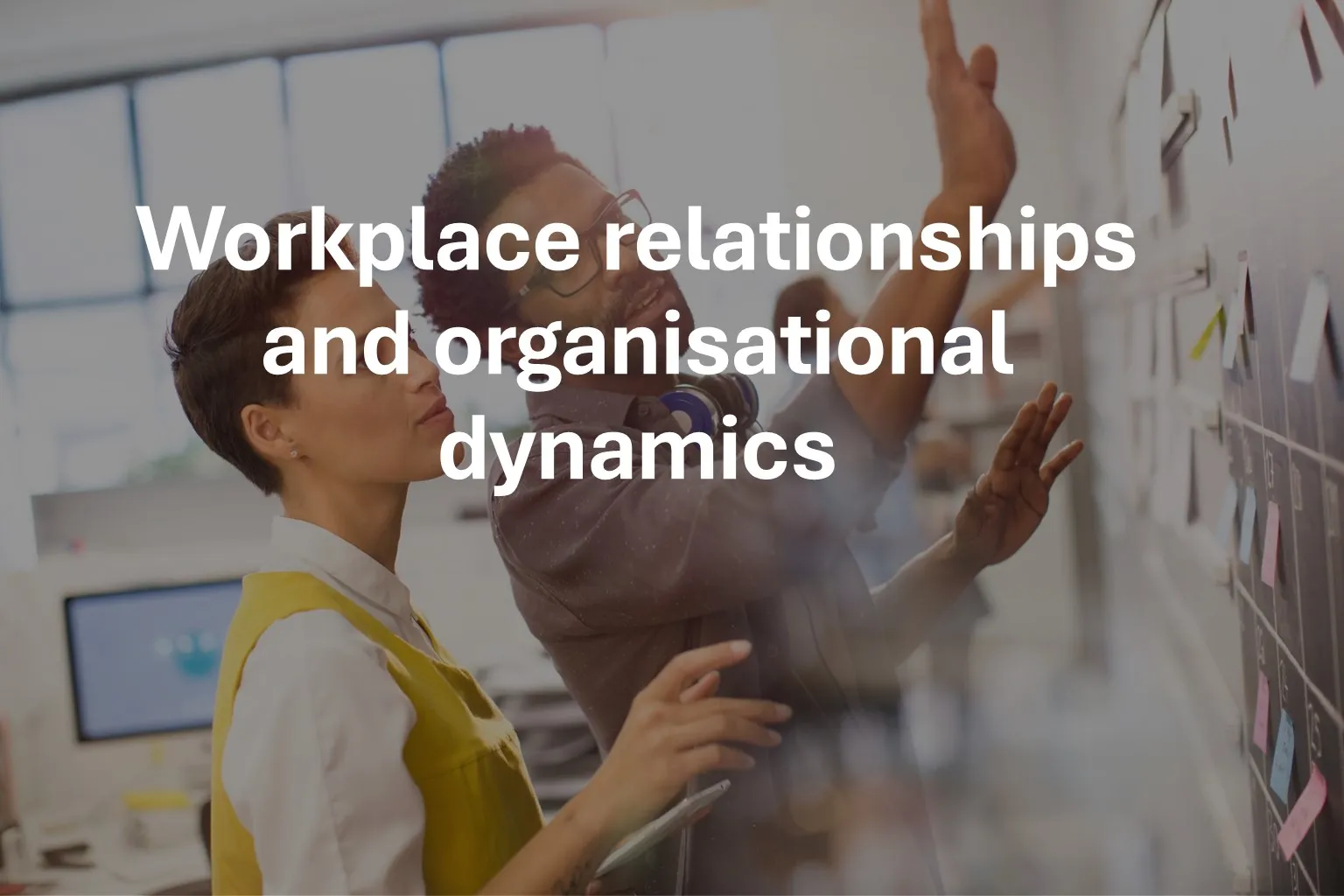
Workplace relationships and organisational dynamics influence how employees communicate, cooperate, solve problems, and achieve shared goals. Every organisation depends on people who can work respectfully across different roles, departments, personalities, and responsibilities. Strong workplace relationships create trust, improve teamwork, reduce misunderstanding, and support a more positive working environment. When employees build professional relationships based on respect and communication, they contribute more effectively to organisational success.
Workplace relationships require emotional intelligence, active listening, empathy, accountability, and professional behaviour. Employees must understand how their words, actions, tone, and attitude affect others. Positive relationships help people exchange ideas, manage disagreements, and support one another during challenging situations. Useful insights on workplace relationships and people practices can be explored through Harvard Business Review and Gallup Workplace.
Organisational dynamics refer to the way people, teams, systems, leadership styles, communication patterns, and workplace culture interact. These dynamics shape how decisions happen, how employees respond to change, and how teams manage pressure. When organisational dynamics work well, employees understand expectations, collaborate across functions, and feel more connected to workplace goals. When dynamics remain unclear or unhealthy, teams may experience conflict, confusion, low morale, and poor performance.
Understanding Behaviour, Culture, and Team Interaction
This course helps participants understand how workplace relationships and organisational dynamics affect daily performance. Participants will learn how to build trust, communicate professionally, manage different personalities, and contribute positively to team culture. They will also explore how leadership, workplace behaviour, power relationships, communication flow, and organisational values influence employee engagement and cooperation.
The course encourages participants to recognise both visible and hidden workplace dynamics. Visible dynamics include meetings, reporting lines, teamwork, and formal communication. Hidden dynamics include informal influence, attitudes, assumptions, conflicts, and trust levels. When employees understand these factors, they can respond more wisely and work more effectively with others.
By strengthening workplace relationship and organisational dynamics skills, employees and leaders can improve collaboration, reduce conflict, and support a healthier workplace culture. They can build stronger professional connections, manage workplace differences, and contribute to a more respectful and productive organisation.

Reviews
There are no reviews yet.