





Lifelong Professional Skills

Learn anytime, anywhere through self-paced digital modules designed for flexible, independent learning.

Video learning allows learners to study through recorded lessons anytime, anywhere, at their own pace.

Participate in in-person classroom training featuring hands-on activities, group discussions, and direct trainer engagement.
An interactive e-learning experience with engaging video lessons, structured reading materials, practical activities, and self-paced assessments for effective learning.
Video lessons improve understanding through visual explanations, flexible learning, replay capability, and consistent delivery of training.
A face-to-face learning experience with expert facilitation, hands-on activities, group discussions, real-world case studies, and immediate feedback.
Learn anytime, anywhere through self-paced digital modules designed for flexible, independent learning.
Video learning allows learners to study through recorded lessons anytime, anywhere, at their own pace.
Participate in in-person classroom training featuring hands-on activities, group discussions, and direct trainer engagement.
An interactive e-learning experience with engaging video lessons, structured reading materials, practical activities, and self-paced assessments for effective learning.
Video lessons improve understanding through visual explanations, flexible learning, replay capability, and consistent delivery of training.
A face-to-face learning experience with expert facilitation, hands-on activities, group discussions, real-world case studies, and immediate feedback.
Lifelong Professional Skills
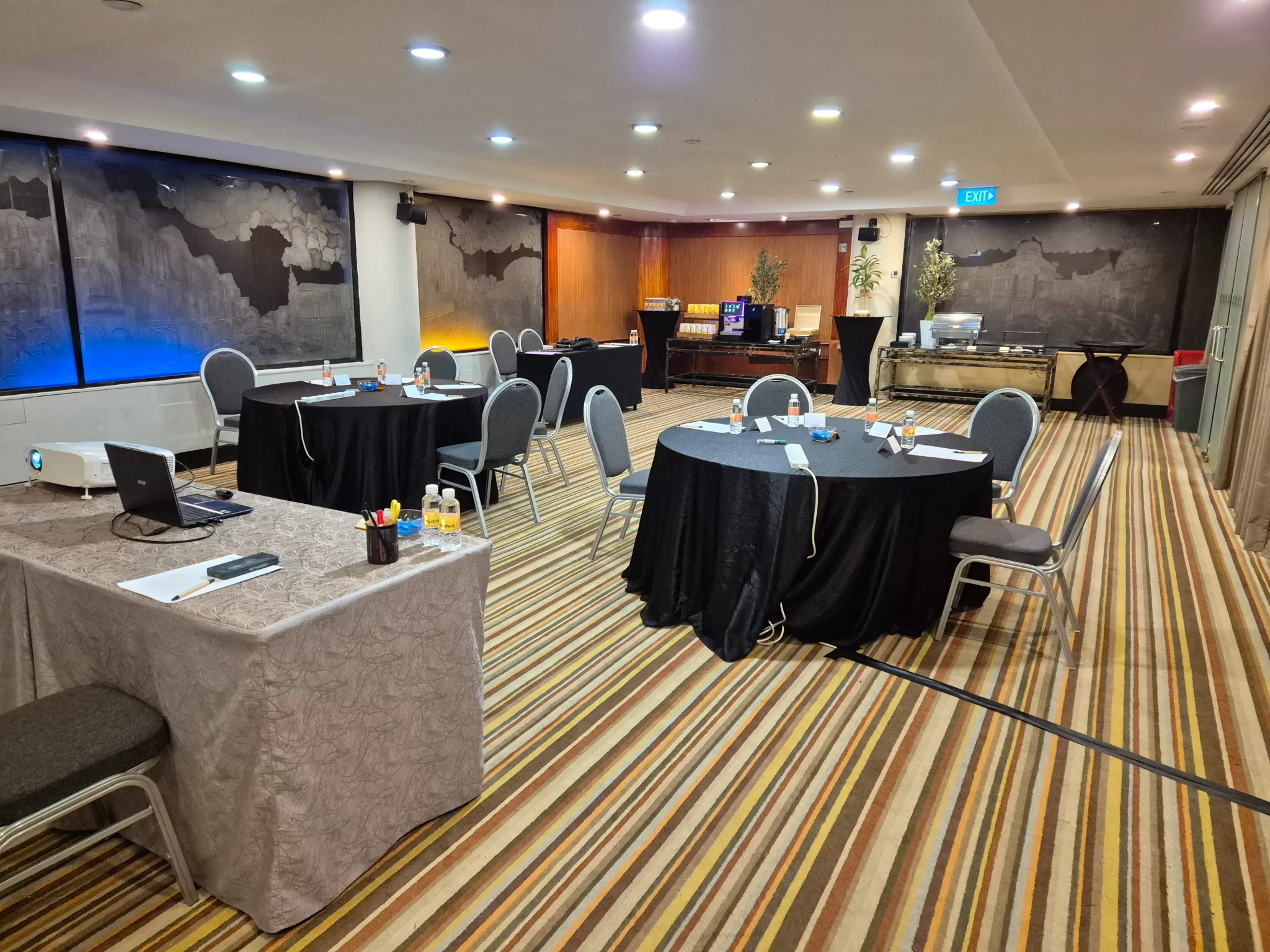
An instructor-led learning programme conducted in a physicalclassroom environment, designed to deliver practical, hands-onlearning. The workshop emphasizes real-world examples, guideddiscussions, and interactive activities that encourage activeparticipation. Participants benefit from direct engagement withexperienced trainers, immediate feedback, and peer interaction,enabling deeper understanding, skill development, and confidentapplication of knowledge in the workplace.
The Classroom Course (C) offers a face-to-face learning experience focused on engagement, practical application, and professional interaction. Led by experienced trainers, the course combines expert instruction with group discussions, case studies, role-based exercises, and in-class quizzes to reinforce learning. Participants receive structured learning materials, practical tools, and a course e-Book to support both in-class learning and post-course application. The classroom setting provides a focused environment for deeper learning and peer exchange. Successful participants receive a certificate of completion aligned with LPS professional training standards.
Instructor-led classroom sessions conducted by experienced trainers with strong industry and public-sector backgrounds.
Comprehensive printed or digital materials are designed to support in-class learning.
Hands-on activities that promote engagement, discussion, and practical application.
Includes:
A structured classroom setting designed to support focused learning and professional interaction.
Assessment conducted through observation, participation, and applied exercises.
Resources provided to support workplace application after the course.
A clearly defined course schedule to ensure effective learning progression.
Short quizzes and exercises used to reinforce learning during the course.
Formal recognition of course participation and completion.