







Virtual Team Leadership and Remote Collaboration for Digital Workplace Success
Leading Distributed Teams With Clarity and Trust
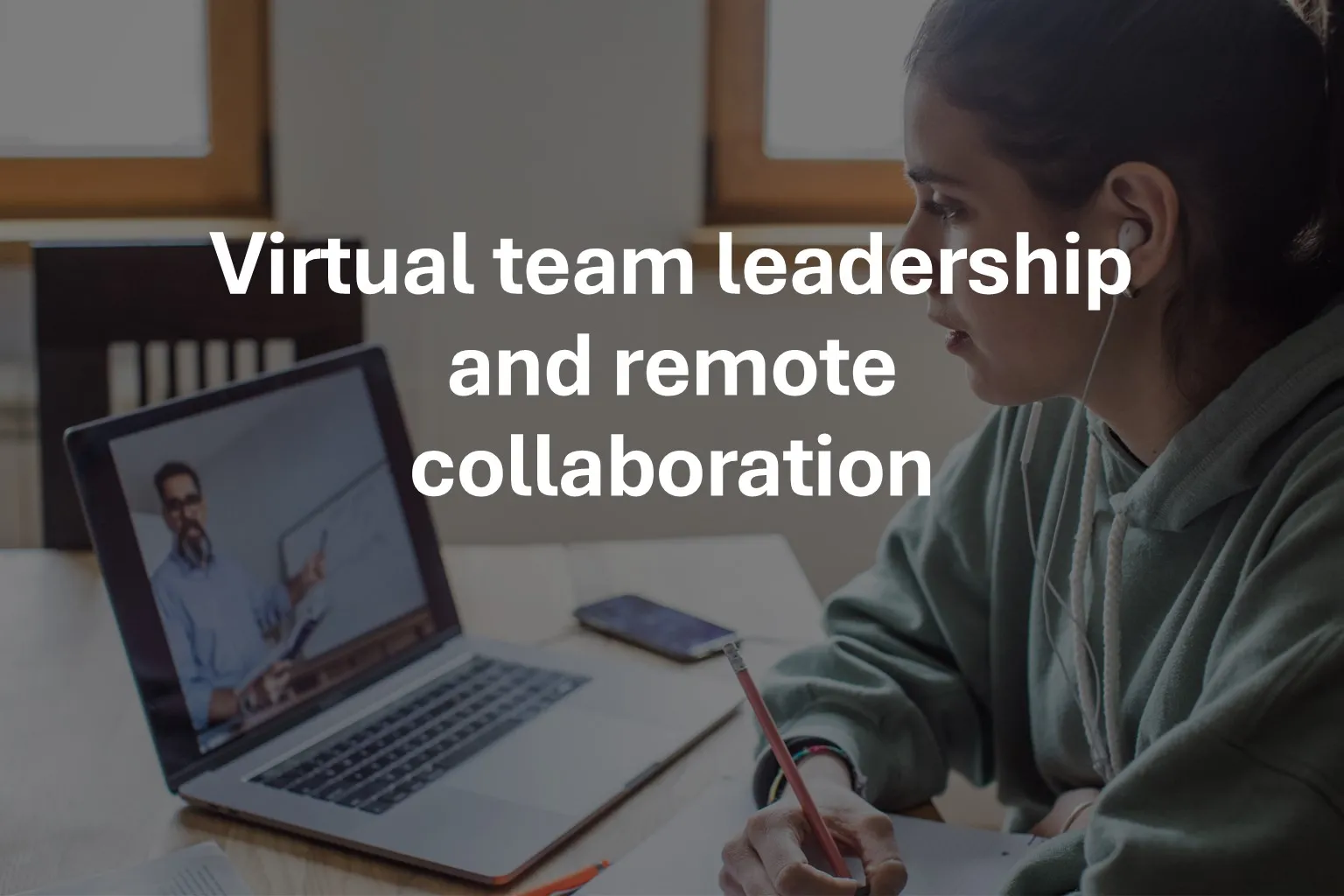
Virtual team leadership and remote collaboration help organisations manage people, projects, and performance across different locations, time zones, and work arrangements. As more teams work through digital platforms, leaders need stronger communication, trust-building, coordination, and accountability skills. Remote work offers flexibility and access to wider talent, but it also creates challenges such as unclear expectations, weak team connection, delayed responses, cultural differences, and reduced visibility.
Virtual leaders must set clear goals, define roles, and create regular communication routines. They need to guide employees without relying on physical supervision. Strong leaders use structured check-ins, online meetings, shared work tools, and clear performance measures to keep everyone aligned. They also encourage participation, recognise contributions, and create a sense of belonging. Useful insights on remote teamwork can be explored through Harvard Business Review and Microsoft WorkLab.
Remote collaboration requires discipline, clarity, and mutual respect. Team members must know how to share information, ask questions, manage deadlines, and support one another even when they work apart. Good collaboration depends on trust, transparency, and consistent follow-up. Employees who communicate clearly can reduce confusion and improve teamwork across digital channels.
Building Strong Remote Collaboration Skills
This course helps participants develop practical skills for virtual team leadership and remote collaboration. Participants will learn how to manage distributed teams, lead online meetings, build trust, maintain engagement, and support performance in remote settings. They will also explore how communication style, technology use, cultural awareness, and emotional intelligence affect virtual teamwork.
Leaders will learn how to identify common remote team problems, such as isolation, low motivation, poor coordination, and meeting fatigue. They will also learn how to create team norms, encourage accountability, and support employees who work across different schedules. These skills help leaders maintain productivity without creating pressure or confusion.
Participants will also understand how remote collaboration supports organisational performance. When virtual teams work well, they can share knowledge faster, solve problems across locations, and respond to business needs more effectively. A strong virtual team culture helps employees feel connected, trusted, and responsible for shared outcomes.
By strengthening virtual team leadership and remote collaboration skills, employees and leaders can improve communication, trust, productivity, and workplace engagement. They can build remote teams that work with confidence, structure, and purpose. Effective virtual leadership does not only manage tasks. It connects people, supports teamwork, and helps organisations succeed in flexible, digital, and distributed work environments. This builds stronger resilience during change, growth, and complex workplace demands today.

Reviews
There are no reviews yet.