





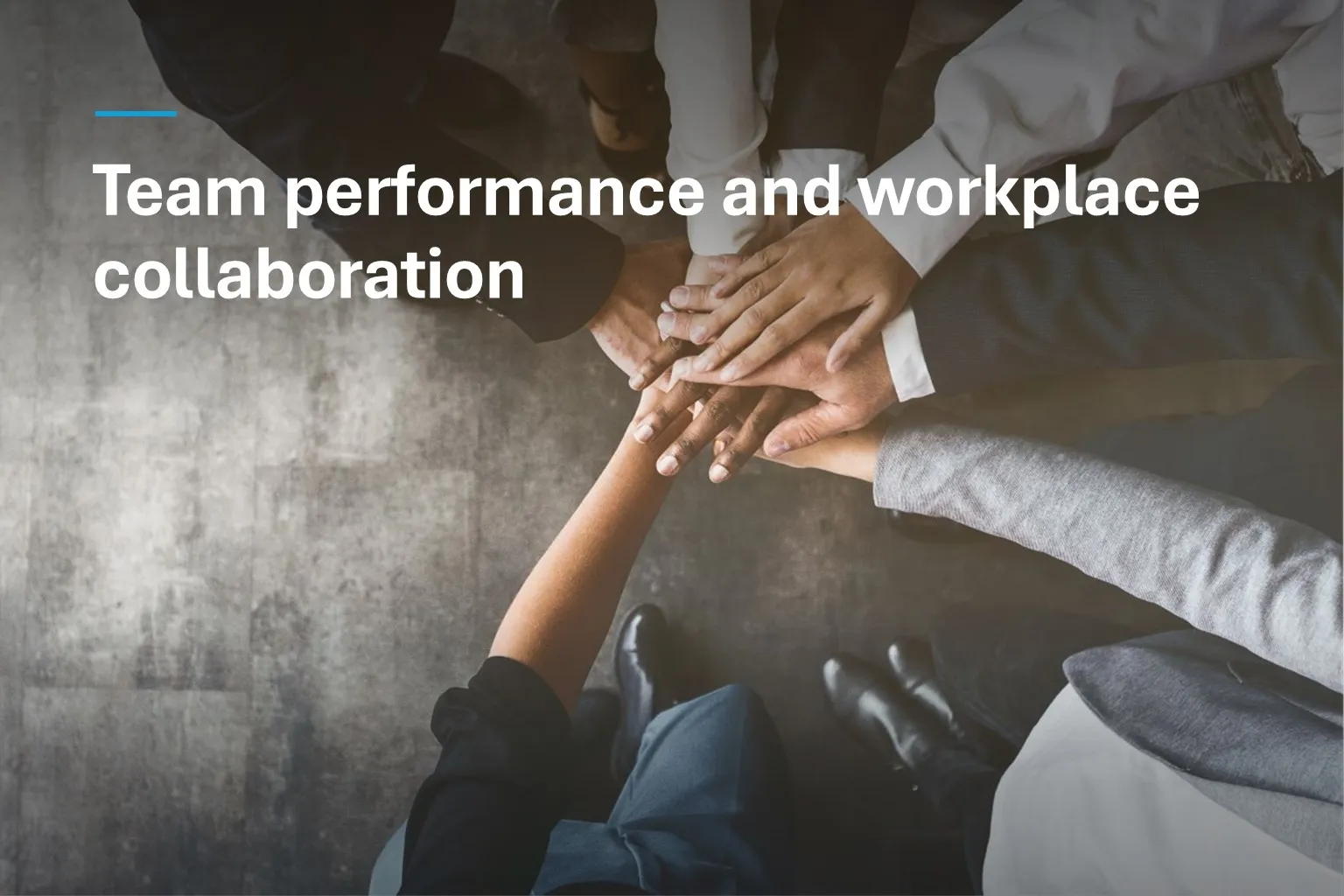
Team Performance and Workplace Collaboration for Organisational Success
Strengthening Team Performance Through Shared Goals
Team performance and workplace collaboration help organisations improve productivity, communication, accountability, and overall results. Every workplace depends on employees who understand their roles, support one another, and work towards shared objectives. When teams perform well, they complete tasks more efficiently, solve problems faster, and create stronger outcomes for customers, colleagues, and the organisation. Strong team performance requires clear goals, trust, communication, discipline, and consistent follow-up.
Effective teams do not succeed by chance. Leaders must set expectations, clarify responsibilities, encourage participation, and monitor progress. Employees also need to understand how their individual contributions affect group results. When team members communicate openly and take ownership of their work, they reduce delays, confusion, and repeated mistakes. Useful insights on teamwork can come from Harvard Business Review and Gallup Workplace.
Building Collaboration for Better Workplace Results
Workplace collaboration allows employees to combine skills, ideas, experience, and resources to achieve better results. Collaboration requires respect, active listening, accountability, and a willingness to support common goals. Employees must know how to share information, manage differences, give feedback, and work across roles or departments. Strong collaboration also helps reduce silos and creates a more connected workplace culture.
This course helps participants develop practical team performance and workplace collaboration skills. Participants will learn how to build trust, communicate clearly, manage team expectations, solve problems together, and contribute positively to shared outcomes. They will also explore how leadership, motivation, conflict management, emotional intelligence, and workplace behaviour influence team success.
Strong collaboration improves workplace relationships. When employees understand different working styles and communicate with respect, they can manage disagreements more professionally. They can also support one another during pressure, change, or heavy workloads. Leaders can use collaboration skills to improve morale, guide team discussions, and strengthen accountability.
By developing team performance and workplace collaboration skills, participants can improve productivity, trust, and team effectiveness. They will learn how to align personal responsibilities with team goals and contribute to a more supportive work environment. These skills help organisations build stronger teams, improve communication, and achieve sustainable workplace success. Participants will also gain confidence in managing team interactions, sharing ideas, and supporting continuous improvement across daily work situations.

Reviews
There are no reviews yet.