







Team Dynamics and Workplace Collaboration for Better Performance
Understanding Team Behaviour and Relationships
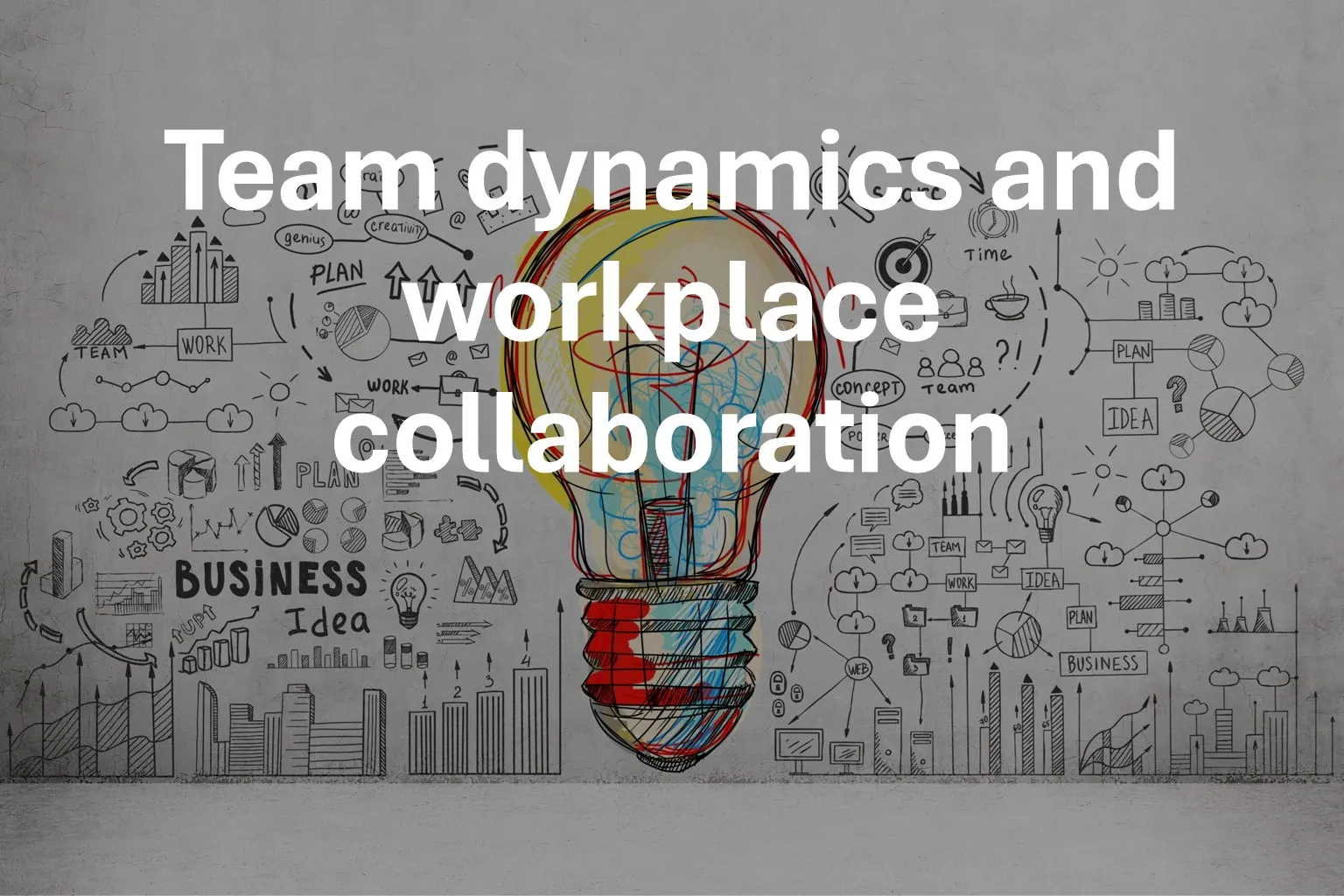
Team dynamics and workplace collaboration are essential for creating productive, supportive, and high-performing work environments. In every organisation, employees rely on one another to communicate effectively, solve problems, complete tasks, and achieve shared objectives. Strong team dynamics encourage trust, cooperation, and accountability while helping employees understand how their actions and attitudes influence overall group performance. When team members clearly understand their roles, responsibilities, and expectations, they can work more efficiently and maintain stronger professional relationships.
Healthy workplace relationships are built on respect, communication, emotional intelligence, and mutual support. Employees need the ability to listen actively, share ideas confidently, manage differences professionally, and contribute positively to team discussions and activities. Leaders also play a critical role in shaping team culture and behaviour. Effective leaders encourage participation, provide guidance, resolve conflict fairly, and create an environment where employees feel valued and comfortable contributing their ideas. Additional insights into teamwork and collaboration can be explored through resources such as Harvard Business Review and Gallup Workplace.
Strengthening Collaboration for Workplace Success
Workplace collaboration enables employees to combine their skills, knowledge, and experience to achieve stronger results and improve organisational performance. Successful collaboration depends on clear communication, shared responsibility, trust, reliability, and a willingness to support common goals. Teams that collaborate effectively are often more innovative, adaptable, and capable of solving problems quickly. They can also improve customer service, increase productivity, and respond more confidently to workplace challenges and changing business needs.
Collaboration also helps break down barriers between departments and encourages employees to work together across different roles and functions. This creates a more connected workplace culture where information, ideas, and resources can be shared more effectively. Employees who understand different working styles and perspectives are better equipped to build positive relationships and contribute to a cooperative team environment.
This course provides participants with practical strategies to improve team dynamics and workplace collaboration in everyday workplace situations. Participants will learn how to build trust, communicate clearly, manage conflict professionally, strengthen teamwork, and contribute effectively to shared goals. The course also explores how leadership, motivation, attitude, and workplace behaviour influence team performance and organisational success.
By developing stronger collaboration and teamwork skills, employees can improve workplace relationships, increase productivity, and contribute more effectively to organisational goals. Leaders can use these skills to guide teams, improve morale, and create a workplace culture built on trust, cooperation, and shared success.

Reviews
There are no reviews yet.