






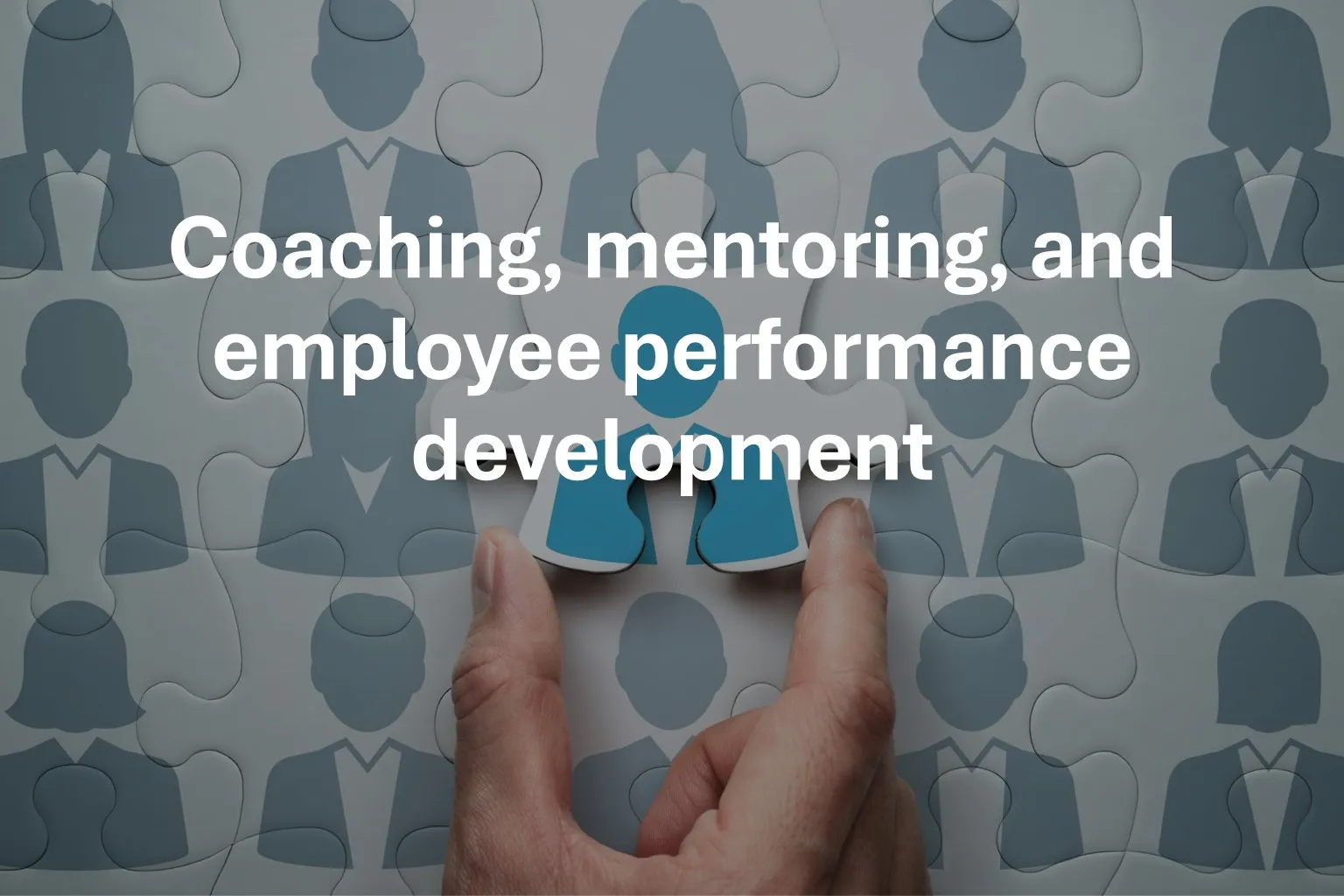
Coaching, Mentoring, and Employee Performance Development for Workplace Growth
Strengthening Employee Growth Through Coaching
Coaching, mentoring, and employee performance development help organisations build capable, confident, and motivated employees. In every workplace, employees need guidance, feedback, encouragement, and practical support to improve their skills and performance. Coaching helps managers guide employees through specific work challenges, improve behaviour, strengthen confidence, and achieve clearer performance goals. It focuses on active listening, questioning, feedback, and solution-focused conversations.
Effective coaching encourages employees to think, reflect, and take ownership of their development. Managers who coach well do not simply give instructions. They help employees understand their strengths, identify improvement areas, and create action plans. Useful insights on coaching and people development can be explored through Harvard Business Review and Gallup Workplace.
Mentoring supports longer-term professional growth. A mentor shares experience, provides guidance, builds confidence, and helps employees understand career direction. While coaching often focuses on current performance, mentoring helps employees develop broader workplace judgement, professional maturity, and future readiness. Together, coaching and mentoring create a stronger development culture where employees feel supported and valued.
Developing Performance Through Guidance and Support
Employee performance development requires regular communication, clear expectations, constructive feedback, and continuous learning. Managers need to identify performance gaps early, discuss challenges respectfully, and support employees with practical strategies. Employees also need opportunities to practise new skills, review progress, and receive guidance that helps them improve.
This course helps participants develop practical coaching, mentoring, and employee performance development skills. Participants will learn how to conduct coaching conversations, provide meaningful feedback, support employee growth, build trust, and guide performance improvement. They will also explore how motivation, communication, accountability, and emotional intelligence influence employee development.
Strong coaching and mentoring improve workplace relationships. Employees who receive proper guidance often show better confidence, stronger engagement, and greater commitment to performance improvement. Managers can use coaching and mentoring to build talent, reduce skill gaps, improve morale, and prepare employees for future responsibilities.
By strengthening coaching, mentoring, and employee performance development skills, managers and leaders can create a more supportive and high-performing workplace. They can help employees take responsibility for growth, improve daily performance, and contribute more effectively to organisational goals. These skills support stronger teamwork, better communication, continuous improvement, and long-term organisational success.

Reviews
There are no reviews yet.