



Process Improvement and Operational Excellence for Workplace Performance
Improving Workflows and Productivity
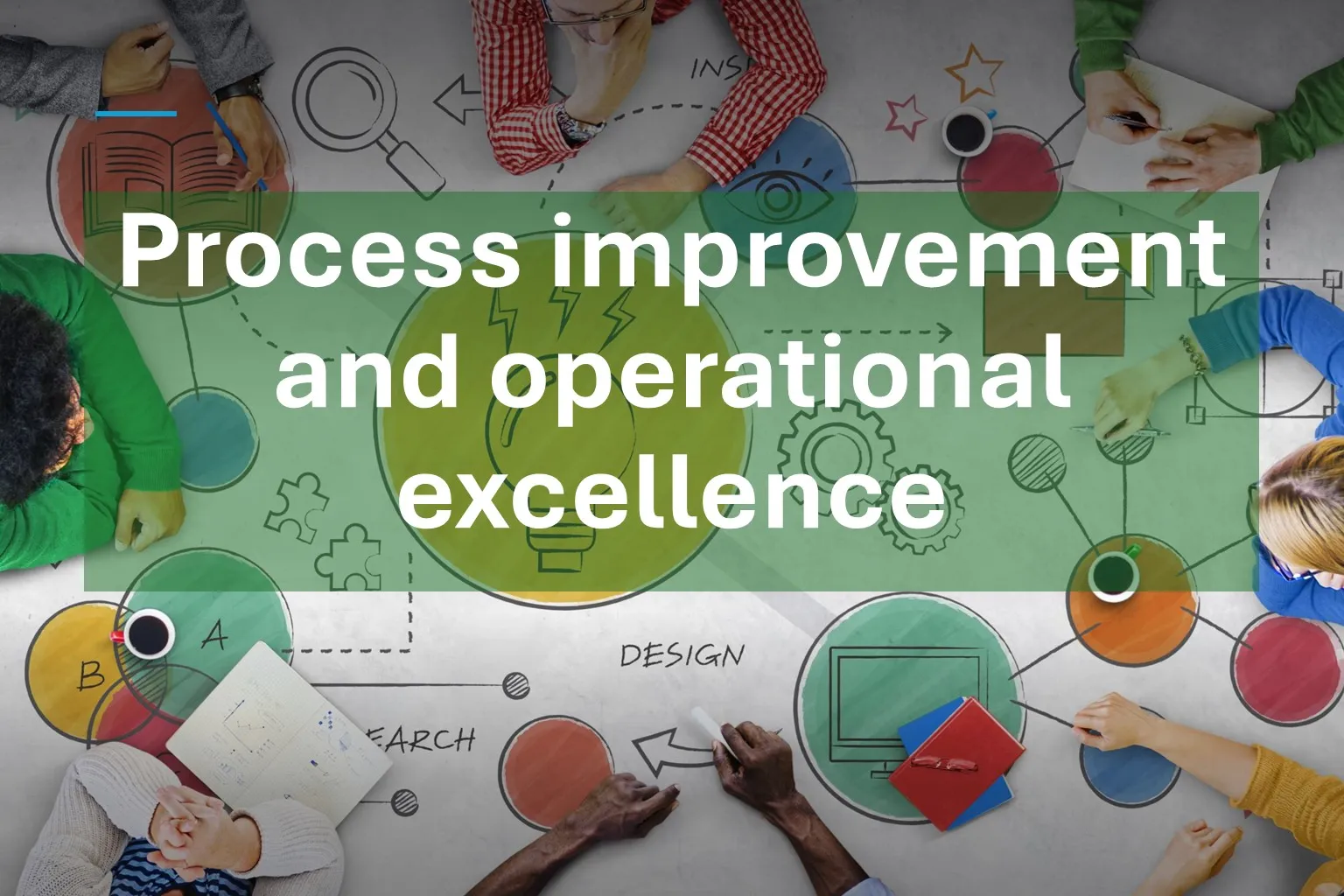
Process improvement and operational excellence help organisations improve productivity, reduce waste, strengthen service quality, and achieve better workplace results. Every organisation depends on clear processes to complete tasks, serve customers, manage resources, and deliver consistent outcomes. When processes become unclear, outdated, or inefficient, employees may experience delays, repeated errors, duplicated work, poor coordination, and lower customer satisfaction. Strong process improvement helps teams examine current workflows, identify gaps, remove unnecessary steps, and create smarter ways of working.
Process improvement requires practical observation, teamwork, analysis, and problem-solving. Employees need to understand how each stage of work affects time, cost, quality, safety, and customer experience. Managers also need to encourage open feedback so employees can highlight operational problems and suggest useful improvements. Helpful resources on improvement practices can be explored through ASQ Quality Resources and Harvard Business Review Operations Management.
Building Operational Excellence and Continuous Improvement
Operational excellence focuses on building a workplace where people, processes, systems, and performance standards work together effectively. It encourages employees to complete work correctly, consistently, and efficiently. Operational excellence does not only focus on speed. It also supports quality, accountability, customer value, risk reduction, and continuous improvement. Organisations that pursue operational excellence create stronger discipline, clearer responsibilities, better teamwork, and more reliable outcomes.
This course helps participants develop practical process improvement and operational excellence skills for real workplace situations. Participants will learn how to review workflows, identify inefficiencies, analyse root causes, improve procedures, reduce waste, and monitor results. They will also explore how performance indicators, documentation, communication, and corrective actions support better operations.
Process improvement also strengthens workplace ownership. When employees understand how their work contributes to organisational success, they can take greater responsibility for improving daily practices. They can spot problems earlier, suggest better methods, and support smoother coordination across teams. Leaders can use these skills to guide improvement projects, build staff involvement, and create a culture that values practical solutions.
By developing process improvement and operational excellence skills, participants can help their organisations improve productivity, service quality, and long-term performance. They will gain confidence in analysing problems, improving work systems, and supporting continuous improvement. These skills help organisations remain competitive, customer-focused, adaptable, and ready for future operational challenges. The course also encourages participants to measure improvement efforts clearly, communicate changes effectively, and sustain new practices through regular review. This approach helps teams turn improvement ideas into practical actions that create measurable value across daily operations and customer outcomes consistently always today.

Reviews
There are no reviews yet.