



Middle Management Capability and Leadership Effectiveness for Organisational Success
Strengthening Middle Management Capability
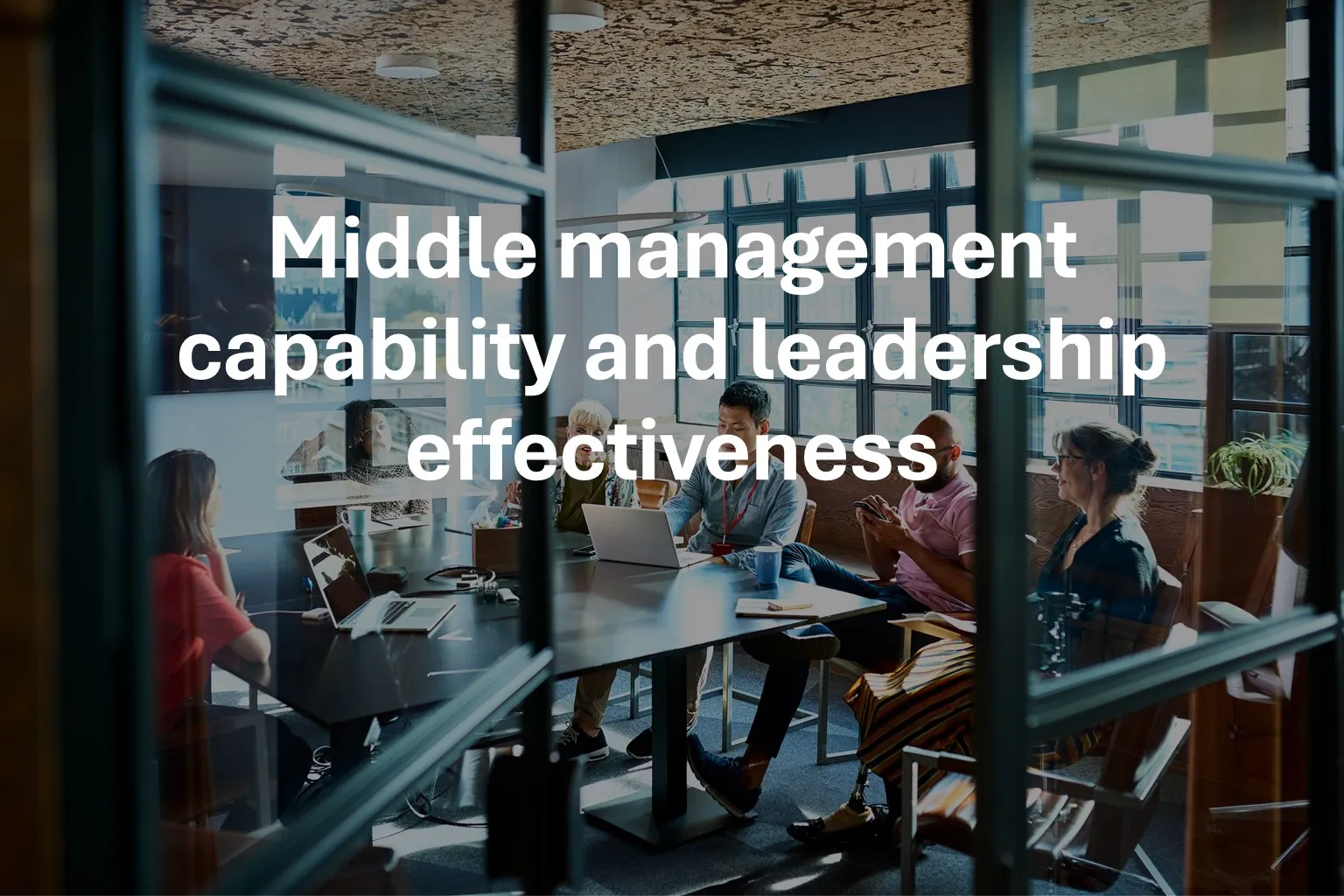
Middle management capability and leadership effectiveness help organisations connect strategic direction with daily workplace performance. Middle managers play an important role between senior leaders and frontline employees. They translate organisational goals into practical actions, guide teams, monitor progress, solve operational problems, and support employee performance. When middle managers lead with clarity and confidence, they improve communication, strengthen accountability, and help teams achieve better results.
Effective middle managers need strong leadership, planning, communication, coaching, and decision-making skills. They must understand business priorities and explain them clearly to their teams. They also need to manage workloads, address performance gaps, motivate employees, and support workplace change. Useful leadership insights can be explored through Harvard Business Review and McKinsey & Company.
Middle managers often face pressure from both senior leadership and frontline teams. They must balance strategic expectations with operational realities. This requires emotional intelligence, resilience, problem-solving ability, and sound professional judgement. Strong middle managers can manage competing priorities, communicate difficult messages, and maintain team confidence during periods of change or uncertainty.
Improving Leadership Effectiveness and Team Performance
Leadership effectiveness depends on the manager’s ability to influence people, build trust, and create results through others. Middle managers must guide employees with fairness, consistency, and purpose. They need to set clear expectations, provide constructive feedback, encourage collaboration, and make timely decisions. When managers lead effectively, employees feel more supported, focused, and committed to organisational goals.
This course helps participants strengthen middle management capability and leadership effectiveness in practical workplace situations. Participants will learn how to lead teams, manage performance, communicate strategy, support change, handle workplace challenges, and develop employees. The course also highlights accountability, coaching, motivation, delegation, and professional leadership behaviour.
Participants will explore how middle managers influence workplace culture and organisational success. Their leadership style affects employee morale, teamwork, productivity, and trust. Strong middle management creates better coordination between departments and improves how teams respond to business needs.
By developing middle management capability and leadership effectiveness, participants can lead with greater confidence, support stronger team performance, and contribute more effectively to organisational growth. These skills help managers become reliable links between strategy and execution while building teams that work with clarity, responsibility, and shared purpose.

Reviews
There are no reviews yet.