

investigation models and investigation techniques

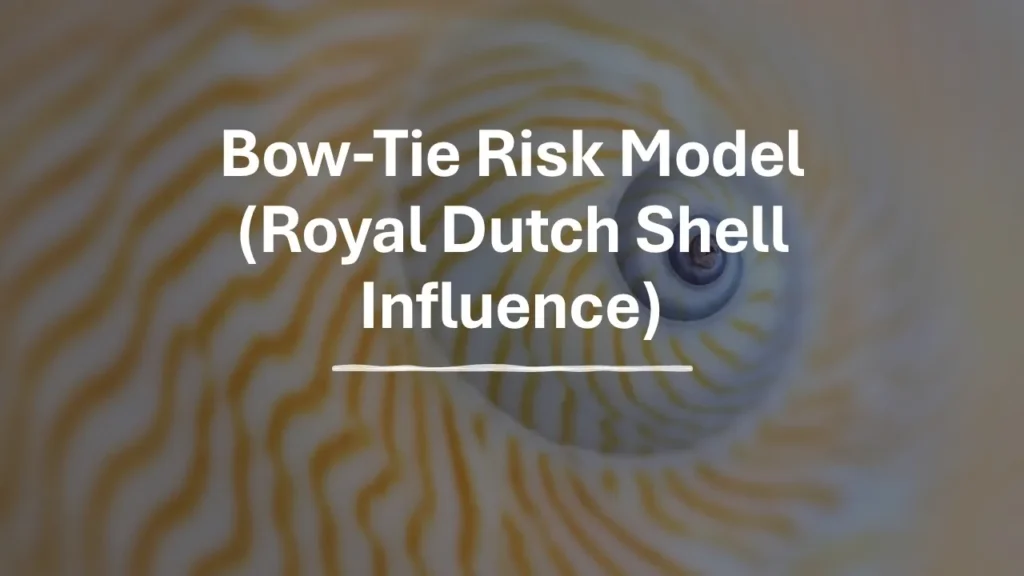
Bow-Tie Risk Model (Royal Dutch Shell Influence)

The Bow-Tie Risk Model influenced by Royal Dutch Shell visually links potential causes, preventive controls, consequences, and mitigation measures, enabling clear understanding of risk pathways and strengthening proactive risk management and incident prevention strategies.
Root Cause Analysis (RCA) (Kaoru Ishikawa Influence)

The Root Cause Analysis influenced by Kaoru Ishikawa identifies underlying causes of problems through systematic investigation, using tools like fishbone diagrams and “5 Whys,” enabling effective corrective actions, prevention of recurrence, and continuous improvement in processes and investigations.

Analytical Hierarchy Process (Thomas L. Saaty)

The Analytical Hierarchy Process developed by Thomas L. Saaty structures complex decisions into hierarchical levels, using pairwise comparisons and weighting to evaluate alternatives, enabling systematic, quantitative, and consistent decision-making across multiple criteria and priorities.

Hypothesis Testing Model (Karl Popper)

The Hypothesis Testing Model developed by Karl Popper emphasizes forming testable hypotheses and attempting to falsify them through evidence, enabling objective analysis, critical thinking, and systematic validation of conclusions in investigative and scientific inquiry.

ABC Analysis Model (B.F. Skinner)

The ABC Analysis Model developed by B. F. Skinner examines behavior through Antecedents, Behavior, and Consequences, helping identify triggers, actions, and outcomes to understand, predict, and modify behavior in investigative, educational, and organizational contexts.

5W1H Analysis Model (Rudyard Kipling Influence)

The 5W1H Analysis Model influenced by Rudyard Kipling uses six key questions—Who, What, When, Where, Why, and How—to systematically gather information, structure analysis, and ensure comprehensive understanding in investigations, problem-solving, and decision-making processes.

OODA Loop Model (John Boyd)

The OODA Loop Model developed by John Boyd describes a rapid decision cycle of Observe, Orient, Decide, and Act, enabling individuals and organizations to adapt quickly, outpace adversaries, and maintain strategic advantage in dynamic, high-pressure environments.

Intelligence Cycle Model (Sherman Kent)

The Intelligence Cycle Model developed by Sherman Kent describes a structured process of direction, collection, processing, analysis, and dissemination, enabling systematic production of actionable intelligence to support informed decision-making in security, policing, and national defense contexts.

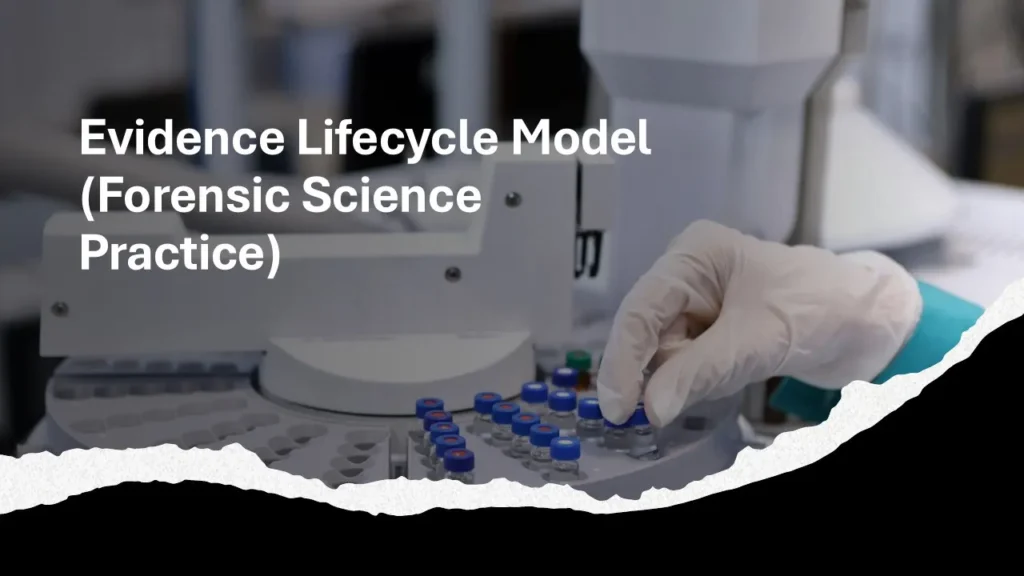
Evidence Lifecycle Model (Forensic Science Practice)

The Evidence Lifecycle Model influenced by forensic science practice outlines the stages of evidence from identification and collection to analysis, storage, presentation, and disposal, ensuring integrity, traceability, and compliance throughout the investigative and judicial process.

Chain of Custody Model (Legal Practice Standard)

The Chain of Custody Model influenced by legal practice standards documents the chronological handling, transfer, and storage of evidence, ensuring integrity, authenticity, and accountability, thereby maintaining admissibility in court and preventing contamination, tampering, or loss throughout the investigative process.

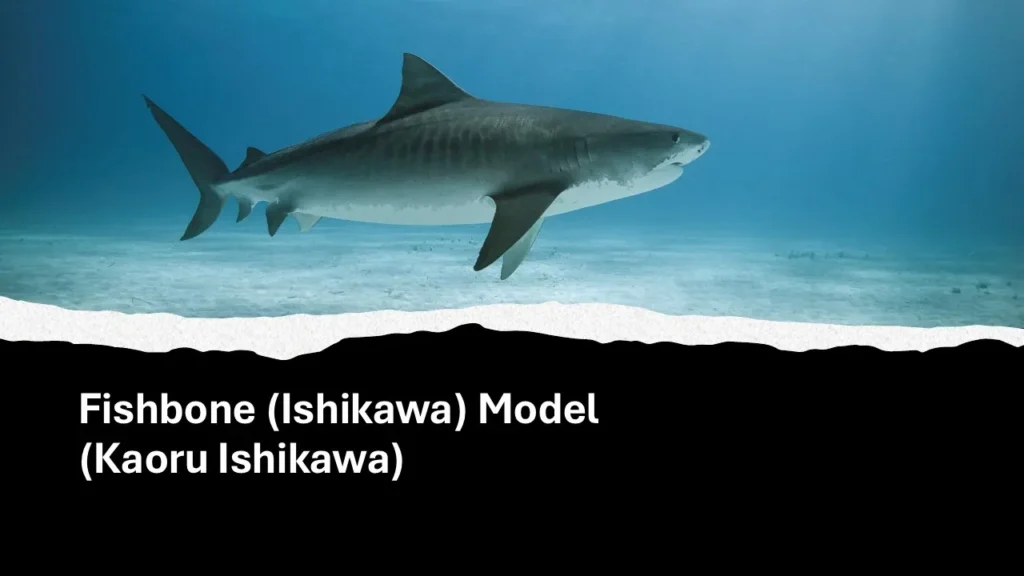
Fishbone Model (Kaoru Ishikawa)

The Fishbone Model developed by Kaoru Ishikawa visually maps potential causes of a problem across categories such as people, process, materials, and environment, enabling systematic root cause analysis, structured thinking, and identification of contributing factors for effective problem-solving.

Shopping Cart
Scroll to Top