


Investigation Model

BEHAVE Investigative Framework (Alan Elangovan)

The Alan Elangovan BEHAVE Model focuses on analysing Behaviour, Emotions, Habits, Actions, Verbal cues, and Environment. It guides investigators in interpreting human behaviour, detecting deception, and understanding intent, enabling accurate assessments, improved interviewing, and effective decision-making in complex investigative and security situations.

Rapport-Based Interviewing Model (Clifford Stott Influence)

The Rapport-Based Interviewing Model, influenced by Clifford Stott, emphasises building trust, empathy, and communication to encourage cooperation. It supports investigators in reducing resistance, improving information quality, and fostering voluntary disclosure, making it highly effective in interviews, interrogations, and sensitive investigative contexts.

Reality Monitoring Model (Marcia K. Johnson)

The Marcia K. Johnson Reality Monitoring Model distinguishes between real and fabricated memories by analysing sensory detail, contextual information, and cognitive processes. It helps investigators assess statement credibility, detect deception, and differentiate genuine experiences from imagined events, supporting accurate evaluations in interviews and forensic investigations.
Situational Awareness Model (Mica Endsley)

The Mica Endsley Situational Awareness Model explains perception, comprehension, and projection of environmental elements in dynamic settings. It helps investigators maintain awareness, anticipate developments, and make informed decisions, enhancing operational effectiveness, risk management, and response capabilities in complex investigative and security environments.

Victim-Offender Interaction Model (Criminal Behavioural Research Influence)

The Victim-Offender Interaction Model, grounded in Criminal Behavioral Research, examines the dynamics between victim and offender. It analyses patterns of interaction, power imbalance, and situational triggers, helping investigators distinguish conflict from victimisation, identify repeated targeting, and support accurate classification and intervention in criminal and social incidents.

Advanced PEACE Interviewing Model (UK Investigative Practice Evolution)

The Advanced PEACE Interviewing Model, evolved from UK Police practice, enhances the structured approach of Preparation and Planning, Engage and Explain, Account, Closure, and Evaluation. It emphasises ethical interviewing, rapport building, and information accuracy, supporting reliable evidence gathering and professional investigative interviewing standards.

Red Team Analysis Model (Military and Intelligence Practice)

The Red Team Analysis Model, rooted in Military Strategy and intelligence practice, challenges assumptions by adopting an adversary perspective. It helps investigators identify vulnerabilities, test strategies, and anticipate threats, strengthening decision-making, reducing bias, and improving operational readiness in complex investigative and security environments.

Intelligence Failure Analysis Model (Intelligence Community Practice)

The Intelligence Failure Analysis Model, grounded in Intelligence Analysis practice, examines why intelligence breakdowns occur. It analyses cognitive biases, information gaps, and organisational issues, helping investigators identify weaknesses, improve analytical processes, and prevent future failures, strengthening decision-making, accountability, and effectiveness in intelligence and investigative operations.
Case Theory Model (Legal Practice Influence)

The Case Theory Model, influenced by Legal Practice, involves constructing a coherent narrative explaining how and why an event occurred. It guides investigators in organising evidence, testing hypotheses, and aligning facts with legal elements, ensuring cases are logically structured, persuasive, and capable of withstanding legal scrutiny.

Investigative Cycle Model (General Investigative Practice)

The Investigative Cycle Model, grounded in Investigative Practice, outlines a structured process from information gathering to analysis, action, and review. It helps investigators manage cases systematically, ensure evidence-based decisions, and continuously refine strategies, supporting effective, accountable, and adaptable investigations across diverse operational contexts.

Environmental Criminology Integration Model (Paul Brantingham & Patricia Brantingham)

The Paul Brantingham and Patricia Brantingham Environmental Criminology Integration Model combines spatial, behavioural, and environmental factors to analyse crime patterns. It integrates routine activity, crime pattern, and rational choice perspectives, helping investigators understand offender movement, identify hotspots, and design targeted prevention and investigative strategies.

Crime Script Analysis Model (Derek Cornish)

The Derek Cornish Crime Script Analysis Model breaks crimes into sequential steps, from preparation to completion. It helps investigators understand offender actions, identify intervention points, and disrupt criminal processes, supporting prevention strategies, situational analysis, and targeted investigative planning across different crime types.

Forensic Intelligence Model (Pierre Margot)

The Pierre Margot Forensic Intelligence Model integrates forensic science with intelligence analysis to support proactive investigations. It uses trace evidence, patterns, and data interpretation to identify links between crimes, support decision-making, and enhance crime prevention, moving beyond traditional reactive forensic approaches toward strategic investigative intelligence.

National Intelligence Model (NIM) (UK National Police)

The National Intelligence Model (NIM), developed by UK National Police, provides a structured approach to intelligence-led policing. It integrates data collection, analysis, and decision-making to prioritise threats, allocate resources, and support strategic and tactical operations, enhancing effectiveness in crime prevention and investigative processes.

3i Model (Jerry Ratcliffe)

The Jerry Ratcliffe 3i Model (Interpret, Influence, Impact) supports intelligence-led policing by linking crime analysis to decision-making. It helps investigators interpret data, influence operational responses, and assess outcomes, ensuring intelligence is effectively used to guide strategies, reduce crime, and improve policing and investigative performance.

SARA Model (Herman Goldstein)

The Herman Goldstein SARA Model (Scanning, Analysis, Response, Assessment) provides a structured problem-solving approach in policing. It helps investigators identify recurring issues, analyse causes, implement targeted responses, and evaluate effectiveness, supporting proactive crime prevention, community policing, and evidence-based decision-making in investigative and operational environments.

Criminal Decision Process Model (Derek Cornish & Ronald Clarke)

The Derek Cornish and Ronald V. Clarke Criminal Decision Process Model analyses how offenders make decisions before, during, and after crimes. It examines rational choices, risks, rewards, and situational factors, helping investigators understand behaviour, anticipate actions, and develop effective prevention, profiling, and investigative strategies.

098 ALAN Model (Alan Elangovan)

The Alan Elangovan ALAN Model integrates behavioural analysis, structured questioning, and situational awareness to guide investigations. It emphasises adaptive thinking, layered information gathering, and real-time assessment, enabling investigators to detect deception, interpret intent, and make precise, evidence-based decisions in complex investigative environments.
Questioning Funnel Model (Socratic Method Influence)

The Questioning Funnel Model, influenced by the Socratic Method, guides investigators from broad, exploratory questions to precise, focused inquiries. It enhances critical thinking, uncovers deeper insights, clarifies inconsistencies, and supports effective information gathering, making it valuable in interviews, interrogations, and analytical investigative processes.

Interview Funnel Model (John E. Reid Influence)

The Interview Funnel Model, influenced by John E. Reid, structures questioning from broad, open-ended inquiries to focused, specific questions. It helps investigators gather accurate information, clarify details, and assess credibility, supporting effective interviews, statement analysis, and progressive disclosure techniques in both cooperative and resistant subject interactions.

Arrest & Detention Decision Model (Criminal Procedure Practice)

The Arrest & Detention Decision Model, grounded in Criminal Procedure practice, guides investigators in determining when to lawfully arrest or detain individuals. It considers legal thresholds, evidence sufficiency, risk factors, and procedural safeguards, ensuring decisions are justified, proportionate, and compliant with due process and investigative requirements.

Entrapment Avoidance Model (Legal Doctrine Influence)

The Entrapment Avoidance Model, influenced by Criminal Law doctrine, ensures investigators do not induce individuals to commit offences they would not otherwise commit. It guides lawful conduct in undercover operations, preserving evidence integrity, protecting suspects’ rights, and ensuring investigations withstand legal scrutiny and judicial review.

Undercover Operations Model (Law Enforcement Practice)

The Undercover Operations Model, based on Law Enforcement practice, involves covert infiltration to gather evidence and intelligence. It focuses on identity creation, role immersion, and controlled engagement with suspects, enabling investigators to uncover hidden activities, disrupt criminal networks, and support prosecutions while maintaining operational security and legal compliance.

Surveillance Detection Route Model (CIA – Intelligence Tradecraft)

The Surveillance Detection Route Model, derived from Central Intelligence Agency tradecraft, focuses on identifying and evading surveillance through planned movement patterns. It enables investigators and operatives to detect hostile monitoring, confirm surveillance presence, and enhance operational security, supporting covert operations, counter-surveillance, and sensitive investigative missions.

SIGINT Analysis Model (National Security Agency Influence)

The SIGINT Analysis Model, influenced by the National Security Agency, focuses on collecting and analysing electronic communications and signal data. It supports investigators in intercepting, decoding, and interpreting transmissions, enabling intelligence gathering, threat detection, and strategic decision-making in cyber, military, and national security investigations.

HUMINT Collection Model (U.S. Intelligence Community)

The HUMINT Collection Model, developed within the United States Intelligence Community, focuses on gathering intelligence through human sources. It involves recruitment, handling, and debriefing of informants to obtain valuable information, supporting investigations, threat assessments, and operational decision-making in security, law enforcement, and intelligence environments.

OSINT Investigation Model (Michael Bazzell Influence)

The OSINT Investigation Model, influenced by Michael Bazzell, focuses on collecting and analysing publicly available information from digital and open sources. It supports investigators in identifying leads, verifying identities, tracking activities, and gathering intelligence ethically, enhancing investigative efficiency in cyber, financial, and criminal investigations.

MITRE ATT&CK Framework (MITRE Corporation)

The MITRE Corporation ATT&CK Framework is a comprehensive knowledge base of adversary tactics, techniques, and procedures. It enables investigators to analyse cyber threats, map attacker behaviour, strengthen detection, and improve incident response, supporting intelligence-driven cybersecurity investigations and defence strategies across complex digital environments.

Cyber Kill Chain Model (Lockheed Martin)

The Lockheed Martin Cyber Kill Chain Model outlines stages of a cyberattack, from reconnaissance to actions on objectives. It enables investigators to detect, analyse, and disrupt threats at each phase, strengthening cybersecurity, incident response, and forensic investigations through structured understanding of attacker behaviour and intrusion processes.

Beneficial Ownership Analysis Model (FATF Influence)

The Beneficial Ownership Analysis Model, guided by Financial Action Task Force standards, identifies the true individuals controlling assets or entities behind complex structures. It supports investigations into money laundering, corruption, and tax evasion by uncovering hidden ownership, enhancing transparency, and enabling effective enforcement and asset recovery actions.

Asset Tracing Model (Financial Investigation Practice)

The Asset Tracing Model, influenced by Financial Investigation practices, focuses on identifying, tracking, and recovering assets linked to criminal activity. It analyses financial trails, ownership structures, and transactions, enabling investigators to uncover hidden wealth, support prosecution, and facilitate asset recovery in fraud, corruption, and money laundering cases.

Financial Profiling Model (Forensic Accounting Practice Influence)

The Financial Profiling Model, influenced by Forensic Accounting practices, analyses financial behaviours, transaction patterns, and asset movements to detect irregularities. It supports investigators in identifying fraud, money laundering, and illicit enrichment, enabling evidence-based tracing of funds, financial reconstruction, and strategic decision-making in complex financial investigations.

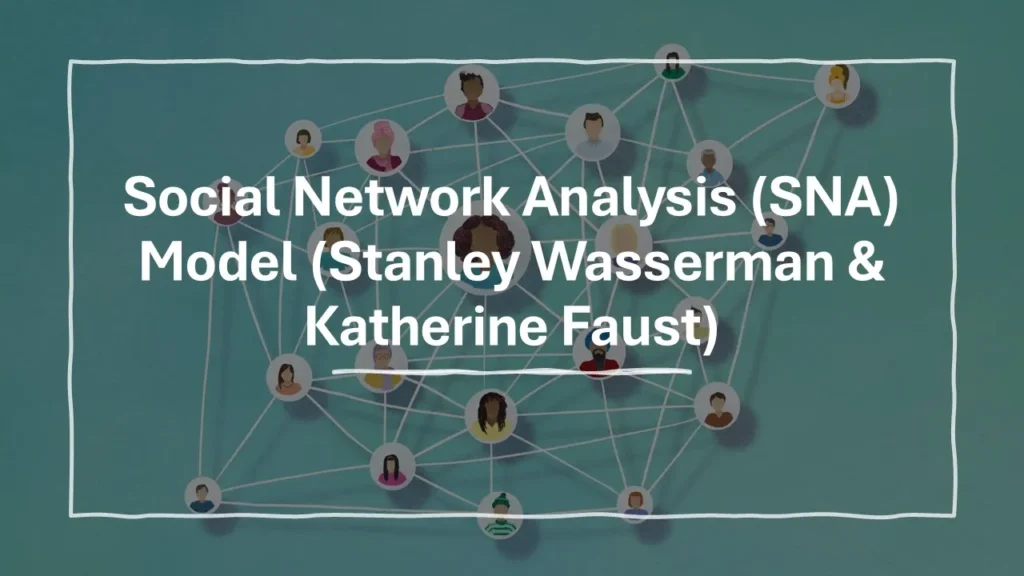
Social Network Analysis (SNA) Model (Stanley Wasserman & Katherine Faust)

The Stanley Wasserman and Katherine Faust Social Network Analysis Model examines relationships, structures, and interactions within networks. It helps investigators map connections, identify influential actors, detect hidden groups, and analyse information flow, supporting intelligence-led investigations, disruption of criminal networks, and strategic decision-making in complex investigative environments.

Network Analysis Model (Harrison C. White Influence)

The Harrison C. White Network Analysis Model examines relationships and interactions within criminal networks. It identifies key actors, communication patterns, and influence structures, enabling investigators to disrupt organized crime, uncover hidden connections, and target critical nodes, enhancing intelligence-led operations and strategic decision-making in complex investigative environments.

Hot Spot Policing Model (Lawrence Sherman)

The Lawrence W. Sherman Hot Spot Policing Model focuses on identifying and targeting high-crime areas where offences cluster. By concentrating police resources in these hotspots, it enhances deterrence, disrupts criminal activity, and improves public safety, supporting data-driven decision-making and effective deployment strategies in modern investigative and policing environments.

Crime Pattern Theory (Paul Brantingham & Patricia Brantingham)

The Paul Brantingham and Patricia Brantingham Crime Pattern Theory explains how crimes occur based on offenders’ routine movements within familiar environments. It highlights nodes, paths, and edges that shape opportunities, helping investigators predict crime locations, understand spatial behavior, and design targeted prevention and enforcement strategies effectively.

Broken Windows Theory (James Q. Wilson & George L. Kelling)

The James Q. Wilson and George L. Kelling Broken Windows Theory suggests that visible disorder, such as vandalism and neglect, encourages further crime. Early intervention, environmental maintenance, and proactive policing help prevent escalation, reinforce social norms, and support effective crime control and investigative awareness in public environments.

Shopping Cart
Scroll to Top