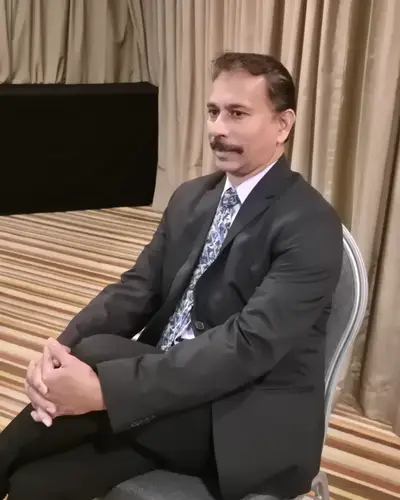


CRW011 - Crime & Criminal Workshop: What Every Criminal Body Says (2 Days Workshop)
Schedules:
Upcoming – Dates Coming Soon
Venue:
Confirmation depends on Class size & availability
Note:
Includes Buffet lunch, 2 Tea Breaks (Coffee/Tea & Pastries)
Limited Complimentary Car Parking Coupons are available upon request
Course Fees
- Individual Participation
SGD 1,150
- FULL 2 days Programme
- Course Material
- Certificate of Completion
- Group Rate (3+ Participation)
SGD 1,050 per person
- Venue Hotel or clubhouse
- 2 Tea break & lunch provided
- Cost-effective learning
IN-House Fees
- Minimum (15+ Participation)
SGD 700 per person
- Client need to provide classroom
- No food will be provided
- Cost-effective learning
Course Synopsis
The CRW011 – Crime & Criminal Workshop is a specialized behavioural analysis training programme designed to enhance participants’ ability to understand, interpret, and analyse criminal behaviour through non-verbal communication and behavioural cues. In many investigative and professional environments, individuals often rely heavily on verbal statements when assessing truthfulness or intent. However, experienced investigators understand that human behaviour frequently reveals more through actions than through words. Subtle cues such as facial expressions, posture, gestures, eye movement, voice tone, and spatial behaviour often provide valuable insight into a person’s emotional state and underlying intentions.
This workshop introduces participants to the principles of criminal behavioural analysis and body language interpretation, enabling them to detect behavioural inconsistencies that may indicate deception, stress, or concealed information. The programme emphasizes the importance of understanding how criminals communicate both consciously and unconsciously. Through structured learning and practical examples, participants will learn how to observe behavioural patterns and interpret non-verbal signals that may reveal hidden motives, emotional responses, or psychological pressure.
The workshop explores the fundamental concept of body language as a form of communication and explains how gestures, posture, facial expressions, and movement patterns can provide important clues about an individual’s thoughts and intentions. Participants will learn how behavioural indicators can be used to support investigative processes, improve interview techniques, and enhance situational awareness. By developing stronger observation and analytical skills, participants will be better equipped to identify suspicious behaviour and respond appropriately in investigative or security-related environments.
A key component of the programme focuses on cultural differences in body language interpretation. Behaviour that appears suspicious in one cultural context may be normal in another. Therefore, participants will examine how culture influences gestures, eye contact, personal space, and communication style. Understanding these differences allows investigators and professionals to avoid misinterpretation while conducting interviews or interacting with individuals from diverse backgrounds.
The course also examines the role of space, distance, and touch in communication, known as proxemics and haptic communication. Criminals may use physical distance, positioning, and subtle physical contact to influence interactions, conceal intentions, or communicate with accomplices. Participants will explore how these behavioural elements can be interpreted in investigative contexts.
In addition, the workshop highlights the importance of facial expressions, eye behaviour, and paralanguage in identifying emotional responses and potential deception. Participants will learn how micro-expressions, eye movements, voice tone, and silence can reveal stress, uncertainty, or dishonesty during interviews or conversations. These insights are particularly valuable in investigative, security, customer service, and management roles where accurate behavioural assessment is essential.
Another important aspect of the workshop is understanding how criminals use gestures, postures, and coded movements to communicate secretly. By recognising these behavioural indicators, participants can develop a deeper understanding of criminal communication methods and behavioural patterns.
Overall, the CRW011 – Crime & Criminal Workshop equips participants with practical behavioural analysis skills that enhance their ability to read people, interpret non-verbal communication, and detect behavioural anomalies. These competencies contribute to more effective investigations, improved interview outcomes, and stronger professional judgement when assessing human behaviour in complex situations.
Learning Objective
By the end of the workshop, participants will be able to:
- Define the concept of body language and explain its importance in understanding human behaviour and criminal intent.
- Explain the role of behavioural observation in crime detection, particularly how investigators can interpret non-verbal signals during interviews and interactions.
- Identify cultural influences on body language, recognising how gestures, eye contact, and posture may differ across cultures and affect interpretation.
- Explain the concept of proxemics (space and distance) and analyse how criminals may manipulate personal space to influence or conceal their intentions.
- Interpret facial expressions and emotional reactions in order to detect concealed emotions, stress, or possible deception.
- Analyse eye behaviour and eye movement patterns to identify behavioural indicators that may suggest dishonesty or psychological pressure.
- Explain the concept of haptic communication (touch) and assess appropriate and inappropriate physical interactions during investigative interviews.
- Evaluate behavioural cues associated with deception, including micro-expressions, inconsistent gestures, and behavioural anomalies.
- Interpret paralanguage cues, such as tone of voice, pauses, speech patterns, and silence, to gain deeper insight into a subject’s emotional state and credibility.
- Recognise criminal communication patterns, including gestures, posture, coded movements, and behavioural signals used by offenders to communicate covertly.
Learning Outline
By the end of the workshop, participants will be able to:
- Describe the fundamentals of body language and explain how non-verbal communication influences human behaviour and interaction.
- Demonstrate the ability to observe and interpret basic behavioural cues such as gestures, posture, and facial expressions during interactions.
- Recognize cultural variations in body language and apply culturally sensitive interpretation when analysing behaviour.
- Apply the concept of personal space and distance (proxemics) to understand how individuals use spatial behaviour to communicate emotions or intentions.
- Interpret facial expressions and emotional signals to identify concealed emotions or inconsistencies during conversations or interviews.
- Assess eye behaviour and eye movement patterns as indicators of attention, stress, or potential deception.
- Identify appropriate and inappropriate use of touch (haptic communication) in professional and investigative contexts.
- Analyse behavioural indicators of deception, including inconsistencies between verbal statements and body language.
- Interpret paralanguage cues, such as tone, pitch, pace of speech, and silence, to understand underlying emotional states.
- Evaluate criminal behavioural patterns and non-verbal communication signals to enhance situational awareness and investigative judgement.
Key Benefits of the Course
- Enhanced Observation Skills
Participants will develop sharper observation abilities, enabling them to detect subtle behavioural cues, gestures, and expressions that may reveal hidden intentions or emotional states. - Improved Ability to Read Body Language
The course provides practical knowledge on interpreting body language signals such as posture, facial expressions, and eye movements, allowing participants to better understand what individuals may be communicating non-verbally. - Stronger Behavioural Analysis Competence
Participants will gain the ability to analyse behavioural patterns and identify anomalies that may indicate stress, deception, or concealed information. - Better Interview and Communication Skills
Understanding non-verbal communication helps participants conduct more effective interviews and conversations by recognising emotional reactions and behavioural responses. - Improved Detection of Deception
The programme equips participants with techniques to recognise behavioural inconsistencies between verbal statements and physical behaviour, supporting more accurate judgement during investigations or interactions. - Greater Cultural Awareness in Communication
Participants will understand how culture influences body language interpretation, helping them avoid misjudgments when interacting with people from diverse backgrounds. - Enhanced Situational Awareness
The workshop strengthens participants’ ability to assess people and situations quickly, improving decision-making in professional and security-related environments. - Understanding of Criminal Behaviour Patterns
Participants will gain insights into how criminals communicate, behave, and conceal intentions, providing valuable knowledge for investigative and security roles. - Improved Professional Confidence
With stronger behavioural interpretation skills, participants will be more confident when analysing people, conducting interviews, or responding to suspicious behaviour. - Personal Development and Self-Awareness
The course also helps participants understand their own communication style and behavioural signals, improving interpersonal effectiveness and professional presence.
Who Should Attend
- Law Enforcement Officers
Police officers and investigators who need to analyse suspect behaviour and detect deception during interviews and interrogations. - Security Officers and Security Supervisors
Personnel are responsible for monitoring suspicious behaviour and maintaining safety in public or private environments. - Investigation Officers
Professionals involved in criminal, corporate, or internal investigations who require behavioural analysis skills. - Immigration and Border Control Officers
Officers who conduct screening and interviews with travellers and need to detect suspicious behavioural indicators. - Aviation Security Personnel
Airport security officers responsible for passenger screening and behavioural observation in high-risk environments. - Banking and Financial Compliance Officers
Professionals working in fraud prevention, anti-money laundering, and financial investigations. - Corporate Security and Risk Management Professionals
Managers responsible for protecting organisational assets, detecting internal misconduct, and managing security risks. - Human Resource Managers and Professionals
HR personnel who conduct interviews, investigations, and disciplinary assessments within organizations. - Hospitality and Customer Service Managers
Professionals who interact with diverse customers and need to recognise suspicious behaviour or security risks. - Managers and Supervisors Across Industries
Leaders who wish to strengthen their ability to read people, understand behavioural cues, and make informed decisions in professional interactions.
Professional classroom training built for capability, confidence, and impact.
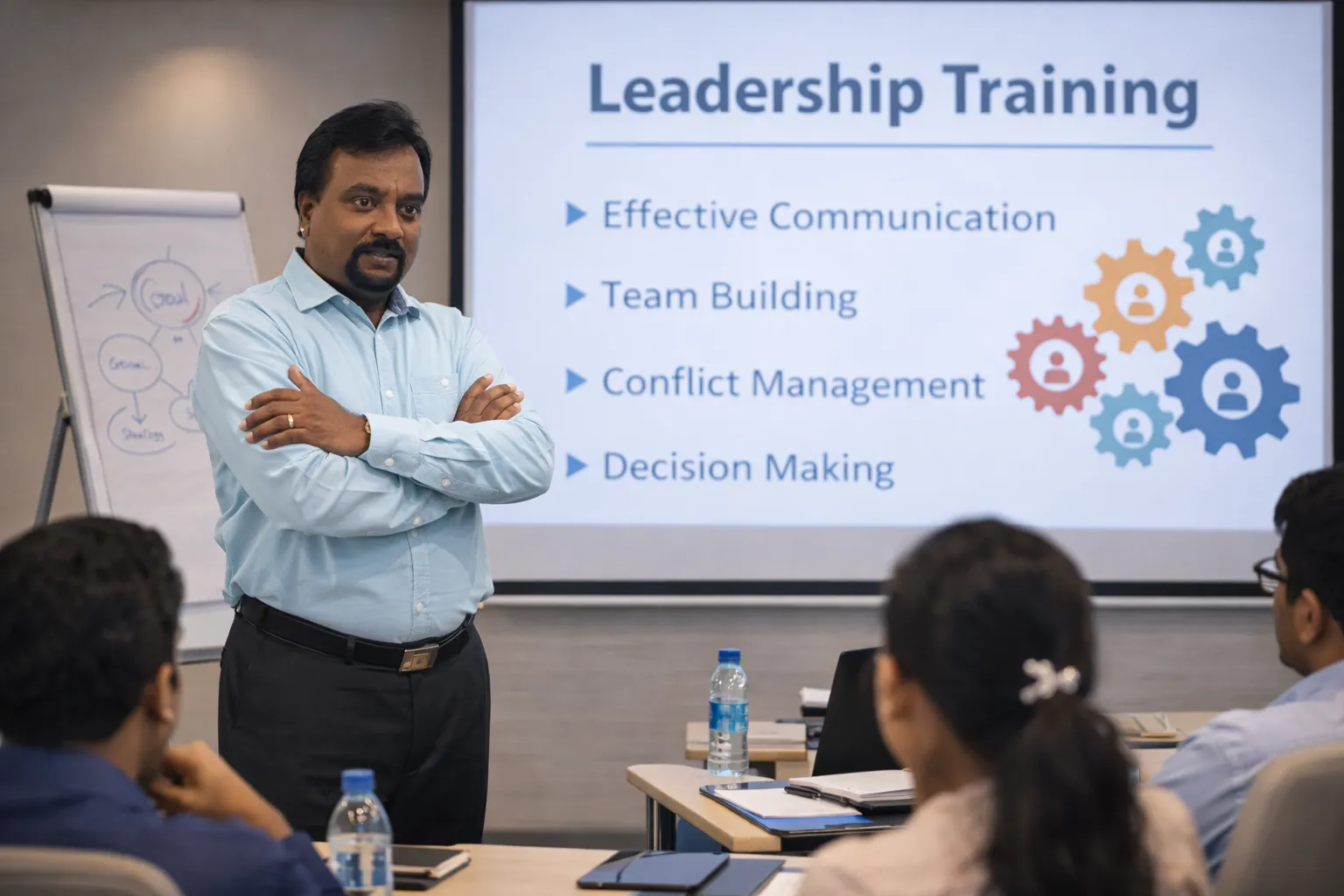
Our instructor-led classroom training combines deep subject-matter expertise with proven instructional methodologies. Participants engage in structured learning, guided discussions, and scenario-based activities that build confidence, competence, and professional judgment.
Methodology
This will be a 1-day course, delivered through an interactive and structured approach that blends theory with practice. The methodology ensures that participants not only understand the 5 Steps Interview model but also apply the skills through hands-on exercises. The following methods will be used:
- Presentation
- Videos
- Case studies
- Demonstrations (Demo)
- Role-Play
- Practice

Hear From Others
Trusted by Government and Corporate Organisations

“Alan is an exceptional trainer with deep expertise in criminal behaviour and body language analysis. His engaging delivery, practical examples, and vast investigative experience made the training extremely insightful and highly relevant for operational officers.”
Daniel Lim
Senior Officer, Immigration & Checkpoints Authority (ICA)
“Alan is a highly knowledgeable trainer who explains complex behavioural concepts in a clear and engaging manner. His real-life experiences and interactive teaching approach made the programme practical, memorable, and extremely useful for investigation and policing work.”
Sergeant Muhammad Rahman
Investigation Officer, Singapore Police Force (SPF)
Alan Elangovan
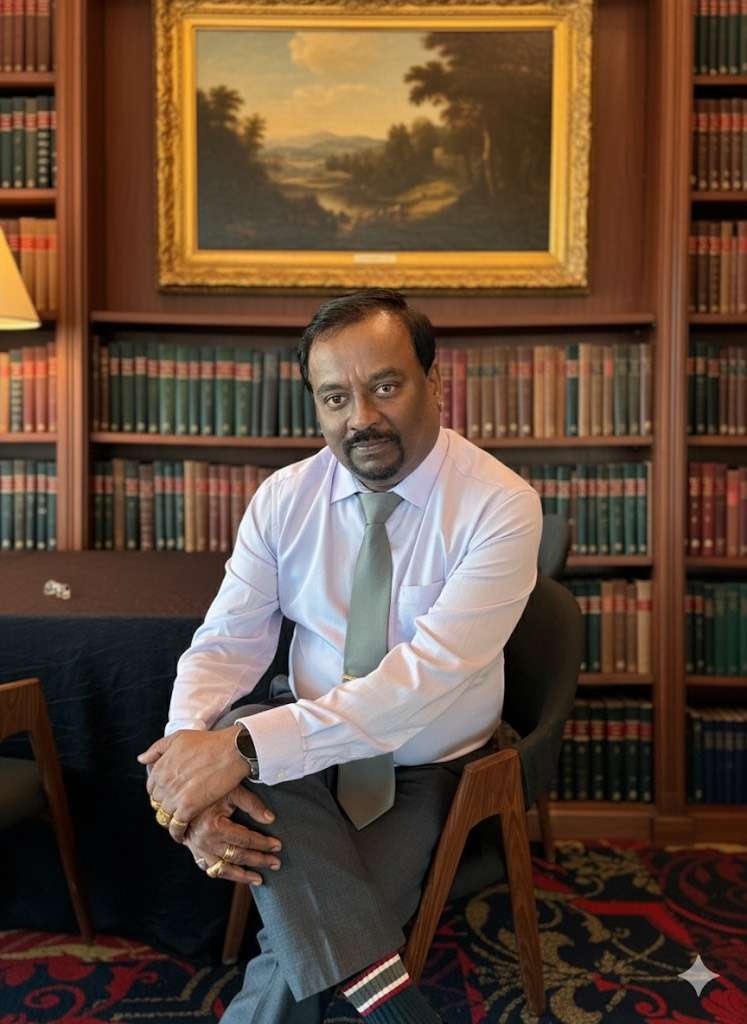
Alan Elangovan is a highly respected Master Trainer and Behavioural Expert with over 30 years of professional experience across the civil service, defence, and corporate sectors. He served 20 years with the Ministry of Home Affairs (MHA) and 7 years with the Singapore Armed Forces (SAF), delivering high-impact training in criminal behaviour analysis, investigation techniques, and security interviewing. He is the Founder and Lead Trainer of LPS Training Services, which was rebranded as LPS Academy in 2025. Through this platform, he has trained more than 125,000 officers from public and private sector organisations, both locally and internationally. Alan is also an accomplished author of five books, a curriculum designer, and an international speaker, widely recognised for translating complex behavioural and investigative concepts into practical, field-ready competencies that enhance professional capability, investigative effectiveness, and organisational performance.
Pannirselvam
Pannirselvam is a highly experienced Operational Trainer with 30 years of distinguished military service and 10 years of professional training experience at LPS Training Services, which is now known as LPS Academy. Throughout his career, he has trained more than 50,000 officers across a wide range of security, operational, and enforcement disciplines. Having conducted operational training assignments across nine countries, he brings extensive field expertise, disciplined instruction, and international operational perspectives to every programme he delivers. His training emphasizes practical application, operational readiness, and real-world scenario learning, ensuring participants gain hands-on competencies and mission-focused skills essential for effective performance in demanding security and enforcement environments.