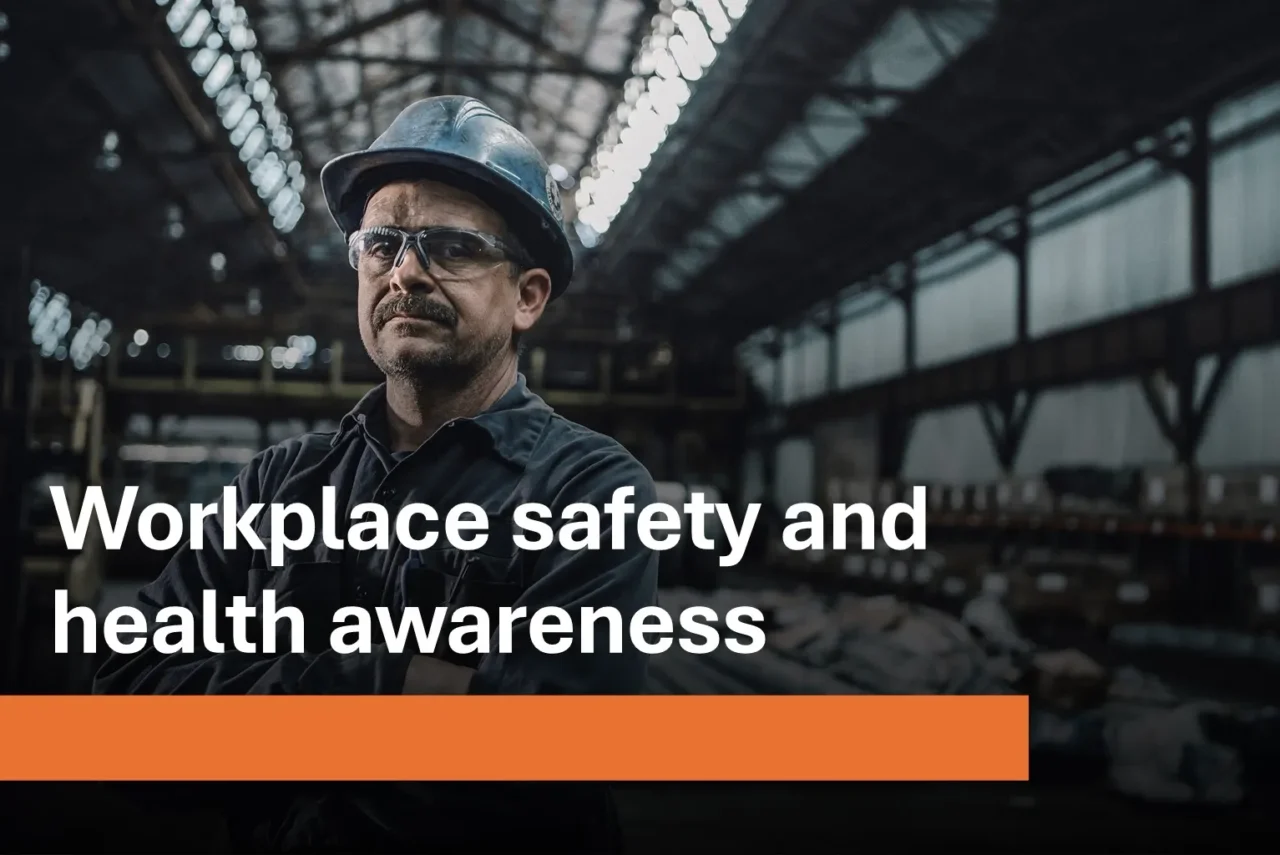








Workplace Safety Management and Risk Prevention

Alan Elangovan

Pannir Selvam
Course Overview
Course Code: CSSB0136
Implementing Safety Systems, Risk Control, and Preventive Workplace Practices
(The course fee covers a programme duration of one (1) year)
Workplace Safety Management and Risk Prevention is designed to help organisations establish structured safety systems that protect employees, reduce risks, and ensure compliance with safety responsibilities. Workplace safety is a critical organisational priority, as unsafe practices can lead to injuries, operational disruptions, financial loss, and legal consequences. Effective safety management requires proactive planning, risk assessment, and continuous monitoring.
This course introduces participants to the principles of workplace safety management, focusing on identifying hazards, assessing risks, and implementing preventive measures. It highlights the importance of organisational responsibility in creating a safe working environment and ensuring that safety practices are consistently applied.
Participants will explore key concepts such as risk assessment processes, safety programme development, policy communication, and safety monitoring. The programme also emphasises the importance of employee awareness and participation in maintaining safety standards.
Through structured guidance and practical application, learners will gain the skills to manage workplace safety effectively, reduce risks, and contribute to a safer, more compliant, and productive work environment.
Course Outcomes
By the end of this course, participants will be able to:

Course Benefits

What Is Special About This Course
This course focuses on practical and structured approaches to workplace safety management. It goes beyond basic safety awareness by emphasising proactive risk prevention and the implementation of effective safety systems.
Participants gain a clear understanding of how to identify hazards, assess risks, and develop safety programmes that protect employees and support organisational operations. The programme highlights the importance of communication, monitoring, and continuous improvement in maintaining safety standards.
By linking safety practices to organisational performance and financial stability, the course provides a strategic perspective on risk management. Learners will be equipped with practical tools to prevent incidents, ensure compliance, and create a safer and more resilient workplace environment.
Who Is This Course For

Conclusion
Workplace safety management is essential for protecting employees and ensuring organisational stability. This course has provided participants with a structured understanding of how to identify risks, implement safety measures, and maintain a safe working environment. By focusing on proactive risk prevention, participants are now better equipped to minimise workplace hazards and improve safety outcomes.
The programme has emphasised the importance of legal responsibilities, structured safety programmes, and continuous monitoring in maintaining safety standards. Participants have gained practical skills in conducting risk assessments, communicating safety policies, and promoting awareness among employees. These capabilities are critical for preventing accidents and ensuring compliance with safety requirements.
With improved awareness and practical knowledge, learners can now contribute to creating a strong safety culture within their organisations. These competencies support reduced incidents, improved employee well-being, and enhanced operational efficiency.
Ultimately, this course empowers participants to take a proactive approach to workplace safety. By implementing effective safety management practices and focusing on risk prevention, organisations can protect their workforce, reduce costs, and achieve long-term success through a safe and secure working environment.