






Learning Design and Collaborative Development
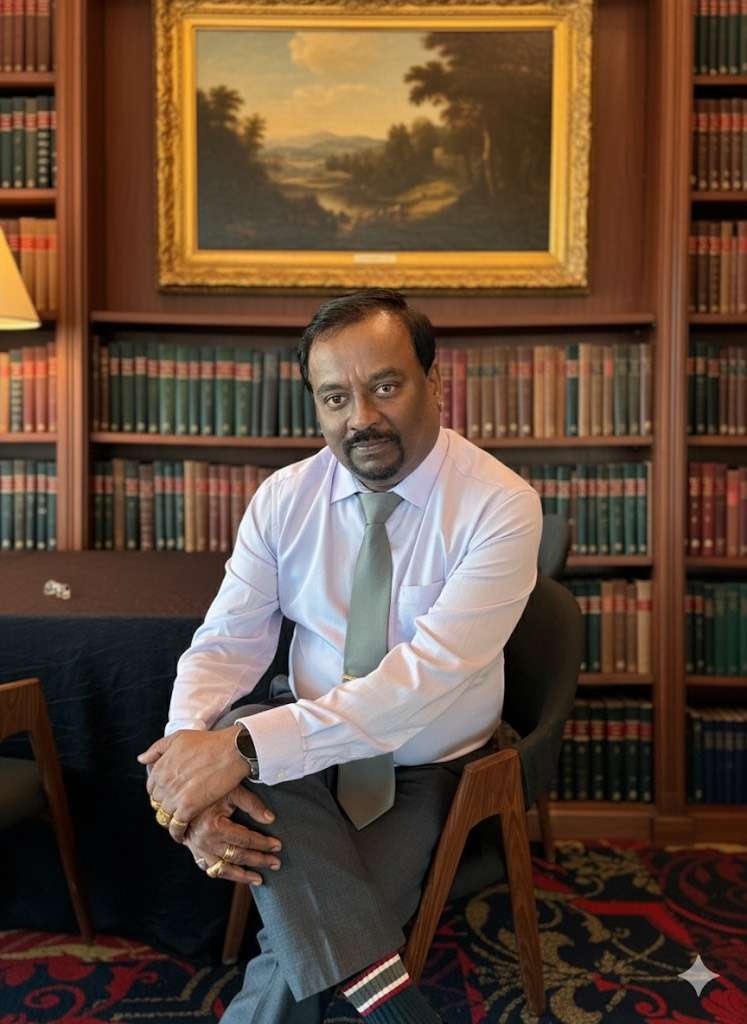
Alan Elangovan

Pannir Selvam
Course Overview
Course Code: CSSB0115
Designing Social Learning Experiences and Building Collaborative Learning Cultures
(The course fee covers a programme duration of one (1) year)
Learning Design and Collaborative Development is designed to help professionals create effective learning environments through social learning and collaboration. In modern workplaces, learning is no longer limited to formal training sessions; it increasingly occurs through interaction, observation, and shared experiences. Without structured learning design, organisations may miss opportunities to maximise knowledge sharing and employee development.
This course introduces participants to the principles of social learning, focusing on how individuals learn from one another through modelling, observation, and collaboration. It highlights the importance of creating learning communities that encourage participation, feedback, and continuous improvement.
Participants will explore key concepts such as group dynamics, role play facilitation, learning culture development, and feedback mechanisms. The programme also emphasises practical approaches to designing collaborative learning experiences that enhance engagement and knowledge retention.
Through structured guidance and real-world application, learners will gain the skills to design effective learning programmes, facilitate collaborative activities, and build a strong culture of continuous learning within their organisations.
Course Outcomes
By the end of this course, participants will be able to:

Course Benefits

What Is Special About This Course
This course focuses on practical and interactive approaches to learning design through collaboration and social learning. It goes beyond traditional training methods by emphasising learning through interaction, observation, and shared experiences.
Participants gain a clear understanding of how to create engaging learning environments that encourage participation and knowledge sharing. The programme highlights the importance of role modelling, feedback, and group dynamics in enhancing learning outcomes.
By linking collaborative learning to organisational performance and development, the course provides a comprehensive perspective on modern learning design. Learners will be equipped with practical tools to create effective learning programmes, foster collaboration, and build a culture of continuous learning.
Who Is This Course For

Conclusion
Learning design and collaborative development are essential for creating effective and engaging learning environments in modern organisations. This course has provided participants with a structured understanding of how social learning principles can enhance knowledge sharing and employee development. By focusing on collaboration and interaction, participants are now better equipped to design impactful learning experiences.
The programme has emphasised the importance of group dynamics, role modelling, and feedback in supporting effective learning. Participants have gained practical skills in designing role play activities, facilitating group learning sessions, and encouraging participation. These capabilities are critical for improving learning outcomes and engagement.
With improved understanding of collaborative learning, learners can now create learning environments that promote continuous development and knowledge sharing. These competencies contribute directly to stronger organisational learning culture and improved performance.
Ultimately, this course empowers participants to take a proactive approach to learning design. By applying social learning strategies, individuals can enhance training effectiveness, build collaborative environments, and support long-term growth and development within their organisations.