

Behavioural Relationships in Education

Teacher-Student Trust, Peer Interaction and Positive School Relationships

This collection of articles explores behavioural relationships in education through teacher-student trust, peer interaction, classroom climate, communication, discipline, empathy, conflict, motivation and support. The articles examine how relationships influence student behaviour, engagement, wellbeing and learning outcomes. Each article is directly related to the topic and offers practical guidance for educators, school leaders, counsellors, parents and trainers. Together, they present strategies for strengthening communication, managing conflict, building mutual respect, supporting emotional needs and encouraging positive participation. The collection also promotes safer learning environments, stronger school communities and healthier relationships that contribute to student development, confidence, responsibility and long-term educational growth and success.

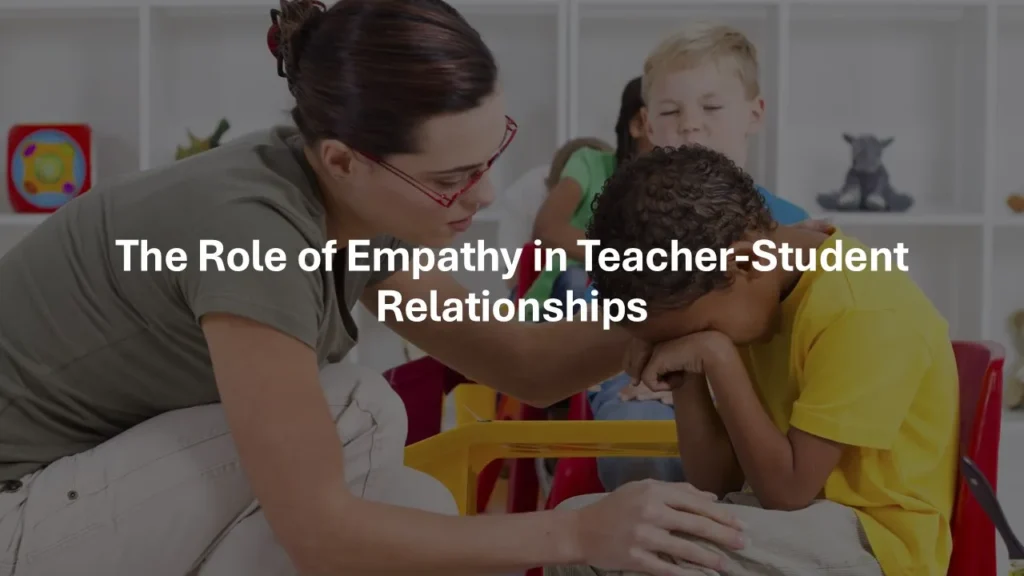
The role of empathy in teacher-student relationships showing a teacher listening respectfully to a student and building classroom trust.

The Role of Empathy in Teacher-Student Relationships

This article explains the role of empathy in teacher-student relationships, including trust, emotional safety, discipline, motivation, social-emotional learning, inclusive teaching, digital empathy, and student wellbeing. It helps educators, school leaders, parents, and training professionals build respectful learning environments where students feel understood, supported, accountable, and ready to learn together daily.
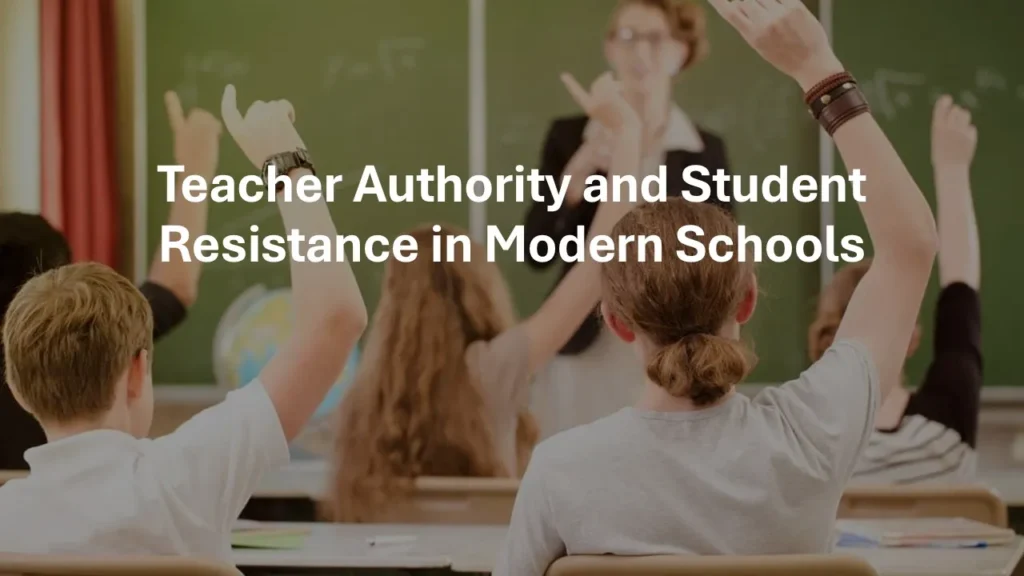
Teacher authority and student resistance in modern schools showing a teacher guiding classroom behaviour with calm, firm, and respectful leadership.

Teacher Authority and Student Resistance in Modern Schools

This article explains teacher authority and student resistance in modern schools, including classroom discipline, student behaviour, digital influence, peer pressure, parent-school alignment, teacher wellbeing, respectful correction, and balanced professional authority. It helps educators, school leaders, parents, and training professionals build firm, fair, respectful, and effective classroom leadership today.

Rebuilding classroom respect after the pandemic learning gap showing students and teachers restoring routines, trust, learning recovery, and positive behaviour.

Rebuilding Classroom Respect After the Pandemic Learning Gap

This article explains rebuilding classroom respect after the pandemic learning gap, including routines, teacher authority, student behaviour, attendance, emotional regulation, peer relationships, learning recovery, and respectful classroom culture. It helps educators, school leaders, parents, and training professionals restore disciplined, supportive, and human-centred classrooms after major educational disruption today.

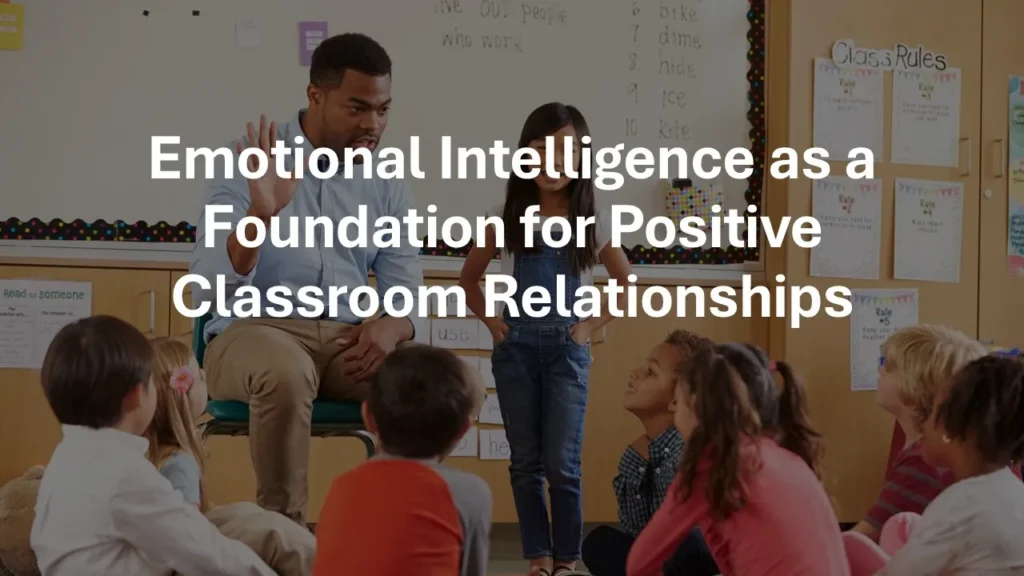
Emotional intelligence as a foundation for positive classroom relationships showing students and teachers using empathy, respect, and self-control.

Emotional Intelligence as a Foundation for Positive Classroom Relationships

This article explains emotional intelligence as a foundation for positive classroom relationships, including self-awareness, empathy, self-management, teacher-student trust, peer respect, conflict resolution, digital behaviour, and emotional safety. It helps educators, school leaders, parents, and training professionals build respectful, supportive, and emotionally intelligent classrooms that strengthen learning and wellbeing today together.

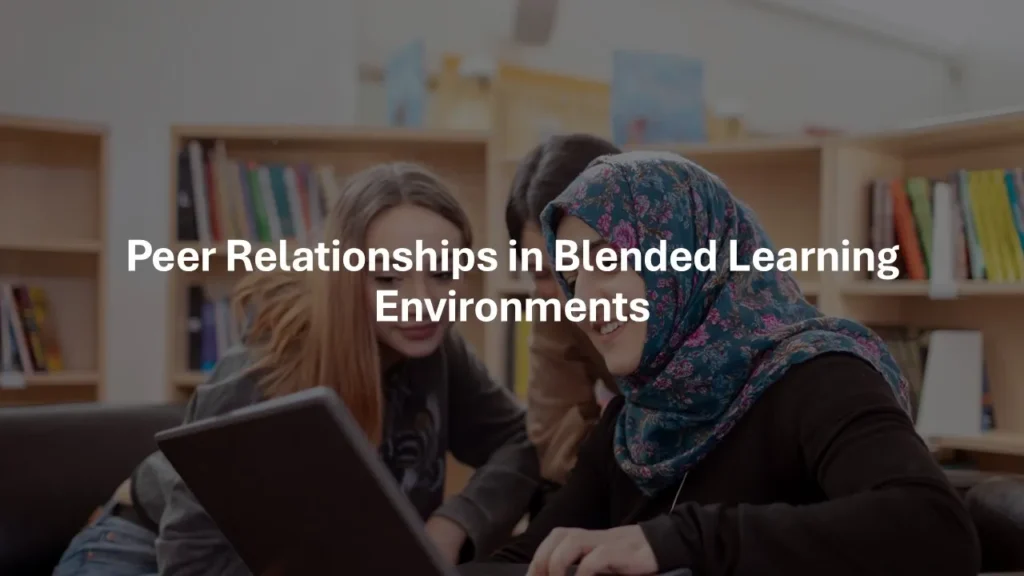
Peer relationships in blended learning environments showing students collaborating in class and online through digital learning platforms.

Peer Relationships in Blended Learning Environments

This article explains peer relationships in blended learning environments, including collaboration, digital communication, inclusion, peer conflict, social belonging, student wellbeing, and digital responsibility. It helps educators, school leaders, parents, and training professionals strengthen healthy peer interaction across classroom and online learning spaces while reducing exclusion, distraction, and unequal participation risks.

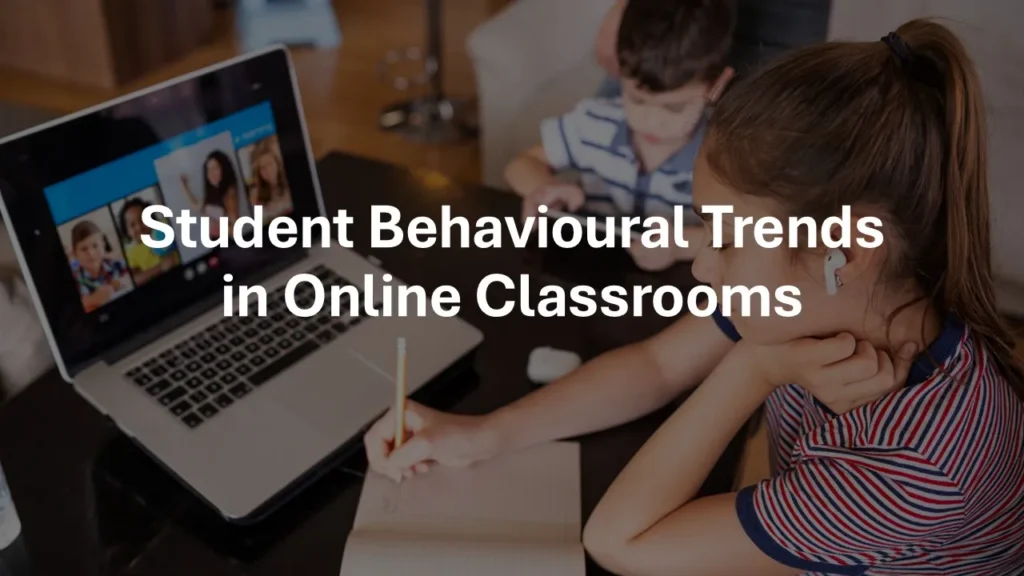
Student behavioural trends in online classrooms showing students joining video lessons, using chat, managing attention, and participating responsibly.

Student Behavioural Trends in Online Classrooms

This article explains student behavioural trends in online classrooms, including attention, participation, camera use, digital etiquette, academic honesty, motivation, online fatigue, and teacher presence. It helps educators, school leaders, parents, and training professionals create active, responsible, inclusive, and human-centred digital learning environments that strengthen engagement and accountability today for students.

AI companionship and student relationships showing a student using an AI chatbot while teachers and peers support healthy human connection.

The Rise of AI Companionship and Its Impact on Student Relationships

This article explains the rise of AI companionship and its impact on student relationships, including emotional dependency, peer interaction, teacher-student trust, privacy, wellbeing, online safety, and responsible guidance. It helps educators, school leaders, parents, and training professionals protect students while supporting healthy human relationships in modern digital learning environments today.

Hybrid learning is changing student behaviour through classroom teaching, online learning, digital participation, and student engagement.

How Hybrid Learning Is Changing Student Behaviour

This article explains how hybrid learning changes student behaviour, including attention, motivation, discipline, participation, digital responsibility, academic integrity, wellbeing, and accountability. It helps educators, school leaders, parents, and training professionals design balanced learning systems that combine classroom structure, online flexibility, teacher guidance, and responsible student habits in modern education effectively.

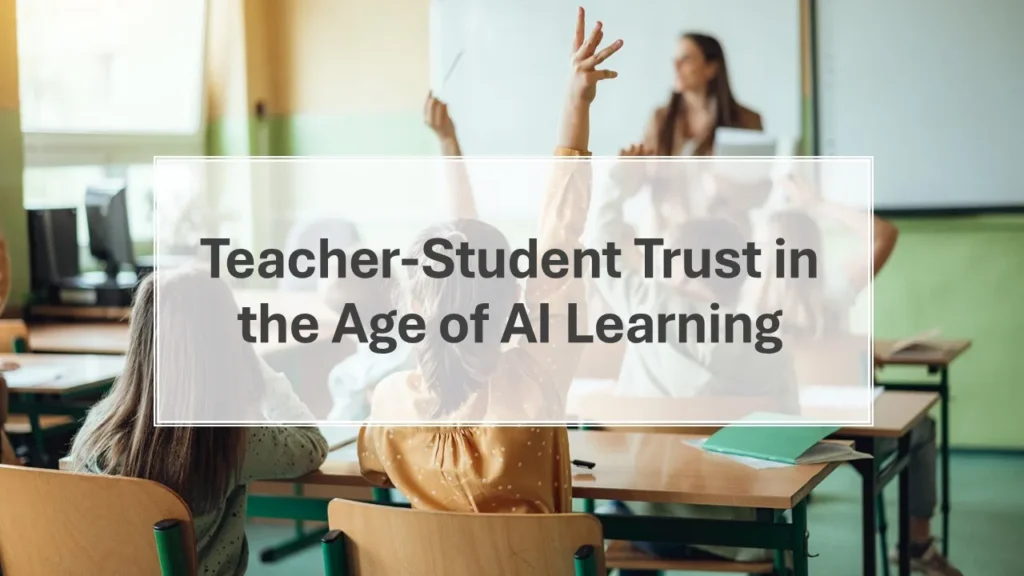
Teacher-student trust in the age of AI learning showing a teacher guiding students to use artificial intelligence responsibly in class.

Teacher-Student Trust in the Age of AI Learning

This article explains teacher-student trust in the age of AI learning, including academic integrity, privacy, student behaviour, assessment, AI literacy, and institutional responsibility. It helps educators, school leaders, parents, and training professionals protect authentic learning relationships while using AI responsibly in modern classrooms, schools, colleges, and training institutions with confidence.

Shopping Cart
Scroll to Top