









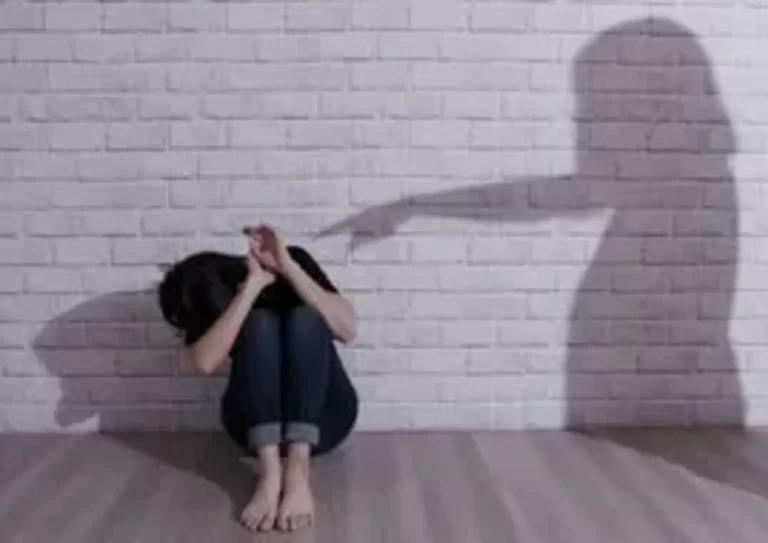
Understanding the Difference for Effective Intervention
Introduction
Schools are social environments where children learn not only academic knowledge but also the essential skills required to interact with others. Every school day involves hundreds of interactions among students through classroom discussions, group assignments, sports activities, playground conversations, and online communication. While many of these interactions contribute positively to students’ development, conflicts and misunderstandings are also common. In such situations, students may say or do things that cause emotional discomfort or embarrassment to others. When these incidents occur, they are often immediately labelled as bullying. However, not every negative interaction between students qualifies as bullying.
One of the most common challenges faced by educators, parents, and school administrators is distinguishing between bullying and hurtful behaviour. Although both behaviours can cause emotional distress, they differ significantly in their nature, frequency, and underlying intent. Misclassifying these behaviours can lead to inappropriate responses. For example, treating a one-time conflict as bullying may result in unnecessary disciplinary actions that fail to address the actual issue. Conversely, failing to recognize genuine bullying can allow harmful behaviour to continue, potentially causing serious emotional and psychological consequences for the victim.
Bullying is defined as aggressive behaviour that involves intentional harm, repeated actions over time, and a clear imbalance of power between the individuals involved. This power imbalance may arise from physical strength, social popularity, age difference, or group support. Because of this imbalance, the victim often feels unable to defend themselves or stop the behaviour. Bullying can take several forms, including physical aggression, verbal insults, social exclusion, and online harassment.
Hurtful behaviour, on the other hand, usually occurs in isolated situations and often arises from conflict, emotional frustration, or misunderstanding. For example, two students may argue during a competitive sports activity, resulting in one student pushing the other. While the behaviour is inappropriate and should be corrected, it does not necessarily represent bullying if it occurs only once and does not involve systematic targeting.
Understanding this distinction is crucial for maintaining a fair and effective school disciplinary system. Teachers must evaluate the context, intent, frequency, and power dynamics involved in each incident before deciding how to respond. By doing so, educators can ensure that victims receive appropriate protection while also guiding students who display harmful behaviour toward positive behavioural change.
Furthermore, schools play a critical role in shaping students’ understanding of respectful interaction. When students are taught to recognize the difference between bullying and hurtful behaviour, they become more aware of the impact of their actions. This awareness encourages empathy, responsible communication, and constructive conflict resolution.
This article aims to provide a comprehensive explanation of bullying and hurtful behaviour within school environments. It examines their definitions, behavioural indicators, real-life examples, and the roles that teachers, students, and parents play in addressing these issues. By clearly distinguishing between these behaviours, schools can create safer environments where students feel respected, supported, and protected.
Why do People Confuse Bullying and Hurtful Behaviour?
Many teachers, parents, and students struggle to distinguish between bullying and hurtful behaviour because both involve actions that cause emotional discomfort, embarrassment, or distress. When a student experiences emotional pain, observers often focus on the visible impact rather than examining the behavioural pattern behind the incident. As a result, behaviours that occur only once or arise from situational conflict are sometimes misinterpreted as bullying. Understanding the reasons behind this confusion helps educators respond more accurately and fairly to student behaviour.
“Several factors contribute to the confusion between bullying and hurtful behaviour.”
Emotional Reaction of the Victim
One of the main reasons people misclassify incidents is the strong emotional response shown by the student who feels hurt. Even a single insensitive comment or embarrassing situation can cause a child to feel humiliated, rejected, or upset. Teachers or parents observing this reaction may immediately assume the student has been bullied. However, emotional distress alone does not determine whether behaviour qualifies as bullying. Bullying involves a repeated pattern of harmful actions, while hurtful behaviour may occur during a single conflict or misunderstanding.
Lack of Understanding of Bullying Criteria
Another major source of confusion is the limited awareness of what defines bullying. Bullying is not simply unkind behaviour. It usually includes three important elements: intentional harm, repeated behaviour, and a power imbalance between the individuals involved. When people focus only on the harmful act itself without considering whether it occurs repeatedly or whether the aggressor has greater power, they may incorrectly classify the behaviour as bullying.
Misinterpretation of Physical Actions
Physical actions such as pushing, kicking, or shoving are often immediately labelled as bullying. These behaviours may occur during sports activities, rough play, or heated arguments between students who have equal power. While such actions are inappropriate and require correction, they do not automatically represent bullying unless they occur repeatedly and involve the same victim being targeted.
Influence of Media and Public Awareness
Media discussions and anti-bullying campaigns have increased awareness about school aggression, which is beneficial. However, these campaigns sometimes use the term bullying broadly to describe many types of student conflict. This broad usage may unintentionally blur the distinction between systematic bullying and isolated hurtful behaviour.
Developmental Behaviour of Children
Children and adolescents are still learning how to manage emotions, communicate respectfully, and resolve disagreements. During this developmental stage, students may occasionally say something insensitive or react impulsively during arguments. These behaviours reflect immature emotional regulation rather than intentional efforts to dominate or harm others repeatedly.
Understanding these factors helps educators and parents evaluate student behaviour more accurately. By recognizing the difference between bullying and hurtful behaviour, schools can apply appropriate interventions and ensure that responses are fair, educational, and effective.
What is Bullying?
Bullying is a form of aggressive behaviour in which an individual or a group deliberately harms, intimidates, or humiliates another person repeatedly over time. It involves a pattern of behaviour rather than a single incident and usually occurs when there is a clear imbalance of power between the individuals involved. This power imbalance may be based on physical strength, social status, popularity, age difference, or group support. Because of this imbalance, the victim often feels unable to defend themselves or stop the behaviour.
Bullying can occur in different forms and may take place in classrooms, playgrounds, school buses, online platforms, or other social environments where students interact. The behaviour may involve physical aggression, verbal insults, social exclusion, or digital harassment.
“Bullying usually includes the following characteristics:”
- Intentional harm – The aggressor deliberately attempts to hurt, embarrass, or intimidate another student.
- Repeated behaviour – The harmful action occurs multiple times and forms a pattern.
- Power imbalance – The perpetrator holds more physical, social, or psychological power than the victim.
Because bullying involves repeated targeting, its effects can be severe. Victims may experience fear, anxiety, loss of confidence, social withdrawal, and declining academic performance. Early identification and intervention are essential to prevent bullying from escalating and to ensure that students feel safe within the school environment.
Symptoms, Signals and Behaviour Cues of Bullying.
Recognizing bullying requires careful observation of behavioural patterns rather than focusing on a single incident. Students who experience bullying often show emotional, behavioural, and social changes that indicate ongoing distress. Teachers and parents should pay close attention to these warning signs because victims may not always report the behaviour directly.
“Victims of bullying may display the following symptoms and behavioural signals.”
- Fear of attending school – The student may frequently request to stay home or show anxiety before going to school. This often indicates that the school environment has become emotionally unsafe.
- Withdrawal from social interaction – Victims may stop participating in group activities, avoid certain classmates, or isolate themselves during recess or lunch.
- Unexplained injuries or damaged belongings – Physical bullying may result in bruises, torn clothing, or missing school materials.
- Declining academic performance – Stress and anxiety caused by bullying may reduce concentration and motivation to learn.
- Emotional distress – Victims may appear unusually sad, anxious, or irritable.
“Students who engage in bullying behaviour may also exhibit certain cues.”
- Desire for dominance – The student may attempt to control or intimidate peers.
- Lack of empathy – The aggressor shows little concern for the emotional impact of their actions.
- Seeking peer approval – Some students bully others to gain attention or social status.
Recognizing these signals helps educators intervene before the behaviour becomes more severe.
Real Life Examples of Bullying
Example 1 – Repeated Verbal Mocking
A student repeatedly mocks a classmate’s accent during classroom discussions. Each time the victim speaks, the aggressor imitates the pronunciation in a sarcastic tone, causing other students to laugh. This behaviour continues over several weeks, making the victim reluctant to participate in lessons. Eventually, the student stops raising their hand and avoids speaking in class altogether. The aggressor continues the behaviour because it attracts attention from peers. This situation qualifies as bullying because the behaviour is intentional, repeated, and directed at the same individual.
Example 2 – Physical Intimidation in the Hallway
A stronger student regularly pushes a smaller student against the lockers between classes. The aggressor blocks the victim’s path and threatens them not to report the behaviour. The victim becomes afraid to walk alone in the hallway and starts taking longer routes to avoid encountering the aggressor. The behaviour occurs multiple times each week and is witnessed by other students who choose not to intervene. This is considered bullying because it involves repeated physical intimidation and a clear imbalance of physical power.
Example 3 – Social Exclusion from Group Activities
A group of students deliberately excludes one classmate from games during recess. Whenever the student approaches, the group tells them they are not allowed to join. The group also encourages other students to avoid interacting with the victim. Over time, the student becomes isolated and spends recess alone. This form of behaviour represents social bullying because it systematically isolates the victim from peer interaction.
Example 4 – Online Harassment through Social Media
Several students create a private group chat where they repeatedly share embarrassing photos of a classmate. They edit the images with insulting captions and circulate them among other students. The victim discovers the messages and becomes extremely distressed. The online harassment continues for several weeks, spreading throughout the school community. This behaviour qualifies as cyberbullying because it involves repeated digital harassment.
Example 5 – Rumour Spreading
A student deliberately spreads false rumours that another student cheated during an important exam. The rumour spreads quickly among classmates, damaging the victim’s reputation. The aggressor continues repeating the claim whenever the victim is mentioned. As a result, other students begin avoiding the victim, believing the accusation to be true. This repeated behaviour represents social bullying.
Example 6 – Repeated Theft of Personal Belongings
A group of students repeatedly takes another student’s lunch and hides it during break time. Each time the victim tries to retrieve the food, the group laughs and refuses to return it. This behaviour occurs several times each week and becomes a source of humiliation for the victim. Because the behaviour is intentional and repeated, it is classified as bullying.
Example 7 – Group Physical Aggression
During recess, several students regularly trip a smaller classmate while playing football. When the victim falls, the group laughs and calls the behaviour a joke. However, the victim becomes increasingly afraid of participating in sports activities. The behaviour continues for weeks, showing a pattern of physical bullying.
Example 8 – Repeated Verbal Insults
A student consistently insults another classmate’s appearance, calling them names whenever they walk past. The aggressor encourages friends to repeat the insults, creating a hostile environment for the victim. Over time, the victim becomes self-conscious and avoids interacting with classmates.
Example 9 – Blocking Access to Classroom Areas
A group of students repeatedly stands in front of the classroom door and refuses to let one-particular student enter. They push the student back and laugh while delaying them from joining the lesson. The behaviour occurs regularly and is directed at the same individual, making it a form of bullying.
Example 10 – Public Humiliation During Presentations
During class presentations, a group of students deliberately interrupts the same classmate every time they speak. They whisper loudly, laugh, and make sarcastic remarks while the student is presenting. This repeated behaviour embarrasses the victim and reduces their confidence in speaking publicly. Because the behaviour occurs repeatedly and intentionally targets the same individual, it is classified as bullying.
What is Hurtful Behaviour?
Hurtful behaviour refers to actions, words, or gestures that cause emotional discomfort, embarrassment, or minor physical harm to another person but do not involve repeated targeting or systematic aggression. Unlike bullying, hurtful behaviour usually occurs once or arises from a specific situation such as an argument, misunderstanding, frustration, or emotional reaction. Although the behaviour may still be inappropriate and require correction, it does not form a pattern of repeated intimidation or domination.
In many cases, hurtful behaviour occurs because children and adolescents are still learning how to manage emotions, communicate respectfully, and resolve conflicts. During disagreements, students may say things they do not fully intend or may react impulsively to anger or disappointment. For example, a student may shout at a friend during a game, make a sarcastic comment during a debate, or push another student during a heated argument.
“Hurtful behaviour generally has the following characteristics:”
- Occurs once or occasionally – The behaviour is not repeated over time.
- Situational or emotional reaction – It often arises during a disagreement or misunderstanding.
- Equal power between individuals – Neither student holds a clear social or physical advantage.
Lack of systematic targeting – The behaviour is not directed repeatedly at the same person.
Although hurtful behaviour is not bullying, it should still be addressed through guidance, communication, and conflict resolution to maintain respectful relationships among students.
Symptoms, Signals and Behaviour Cues of Hurtful Behaviour
Hurtful behaviour may still produce emotional reactions in students, even though it does not involve repeated aggression. Teachers and parents should observe how students react to these incidents to understand whether the behaviour represents a one-time conflict or something more serious. Unlike bullying, the distress caused by hurtful behaviour is usually temporary and often resolves once the situation is clarified or an apology is made.
“Students who experience hurtful behaviour may display the following signals.”
- Temporary emotional upset – The student may feel embarrassed, angry, or disappointed after the incident but typically recovers once the issue is addressed.
- Short-term avoidance – The student may avoid the person involved in the conflict for a brief period until the situation is resolved.
- Frustration or irritation – Students may express annoyance or anger toward the other individual following a disagreement.
- Embarrassment in front of peers – An insensitive comment or joke may cause temporary embarrassment.
“Students who display hurtful behaviour may show the following cues.”
- Impulsive reactions – Responding emotionally during arguments or competitive situations.
- Sarcastic remarks or insensitive jokes – Statements made without considering their emotional impact.
- Regret or willingness to apologize – Students often show remorse once they understand the consequences of their actions.
Recognizing these signals helps educators guide students toward respectful communication and better conflict management.
Real Life Examples of Hurtful Behaviour
Example 1 – Argument During a Sports Game
During a football match at recess, two students argue about whether the ball crossed the goal line. In frustration, one student pushes the other slightly. The teacher intervenes immediately and separates them. Both students calm down and later apologize to each other. Although the push caused discomfort and embarrassment, the behaviour occurred once during an emotional disagreement rather than as part of repeated aggression.
Example 2 – Laughing at a Wrong Answer
During a classroom quiz, one student gives an incorrect answer. Another student laughs and says the answer was obvious. The comment embarrasses the student who answered incorrectly. After the teacher explains that the remark was insensitive, the student who laughed apologizes. The incident represents hurtful behaviour because it occurred once and was not part of a repeated pattern.
Example 3 – Heated Debate in Class
During a classroom debate on a controversial topic, two students strongly disagree with each other. One student raises their voice and accuses the other of not understanding the topic. The comment causes tension and embarrassment. After the teacher moderates the discussion, both students calm down and continue the lesson respectfully.
Example 4 – Accidental Exclusion from a Game
A group of students forms teams for a basketball game during recess. Because the teams are already full, one student is unintentionally left out. The excluded student feels disappointed and believes it was intentional. After the situation is clarified, the students invite the individual to join the next game.
Example 5 – Sarcastic Comment Between Friends
Two friends are working together on a class assignment. One student jokingly says the other is “slow” when they take longer to finish a task. Although the remark was intended as humour, the other student feels hurt. After realizing this, the student apologizes.
Example 6 – Rough Play During Recess
While playing tag during recess, a student accidentally bumps into another student, causing them to fall. The fallen student becomes upset and accuses the other of pushing intentionally. After the teacher observes the situation and clarifies that it was accidental, both students continue playing.
Example 7 – Misunderstood Message
A student sends a sarcastic message to a classmate in a group chat. Without hearing the tone of voice, the message appears insulting to the recipient. The misunderstanding causes tension between the two students until they discuss the issue and clarify the intention.
Example 8 – Frustration During Group Work
During a group project, one student becomes frustrated because another member is not completing their assigned task quickly enough. The frustrated student makes a harsh remark about their effort. The comment causes temporary conflict but is resolved after the teacher encourages discussion.
Example 9 – Emotional Reaction After Losing
During a competitive sports event, a student becomes upset after losing a match and criticizes a teammate for making mistakes. The teammate feels hurt by the comment. After the teacher discusses sportsmanship with the students, the issue is resolved.
Example 10 – Sharing a Personal Story Without Permission
A student shares a humorous story about a classmate during lunch without realizing the classmate feels embarrassed about it. When the classmate expresses discomfort, the student apologizes and promises not to repeat the story again.
Bullying vs Hurtful Behaviour Comparison Framework
Distinguishing between bullying and hurtful behaviour requires educators to examine the pattern, intent, and context of an incident rather than focusing only on the harmful act itself. Many school conflicts involve words or actions that cause emotional discomfort, but not all of them qualify as bullying. The comparison framework below helps teachers, school administrators, and investigators evaluate student behaviour more objectively.
Bullying is characterized by intentional harm, repetition, and a power imbalance between the individuals involved. The aggressor deliberately targets the same student over time, often using physical strength, social influence, or group support to dominate the victim. Because the behaviour occurs repeatedly, the victim frequently experiences fear, anxiety, and social isolation.
Hurtful behaviour, on the other hand, typically occurs once or during a situational conflict. It often arises from emotional reactions such as frustration, anger, misunderstanding, or impulsive communication. In such situations, the students involved usually hold equal social power, and the conflict may be resolved through mediation or clarification.
Understanding these distinctions allows educators to respond appropriately. Bullying requires structured intervention and monitoring, while hurtful behaviour may be addressed through communication, guidance, and conflict resolution.
Behavioural Comparison Table
Behaviour Dimension | Bullying | Hurtful Behaviour |
Intent | Deliberate attempt to harm, intimidate, or dominate | Often impulsive or emotional reaction |
Frequency | Repeated behaviour over time | Usually occurs once |
Power Balance | Clear imbalance (strength, popularity, group support) | Students have equal power |
Targeting | Same victim repeatedly targeted | No systematic targeting |
Emotional Impact | Victim experiences fear and ongoing distress | Temporary emotional discomfort |
Behaviour Pattern | Systematic and intentional | Situational or conflict-based |
Incident Evaluation Guide
When evaluating student behaviour, teachers should ask the following questions:
Key Question | Interpretation |
Has the behaviour happened repeatedly? | Repetition indicates bullying |
Is the same student consistently targeted? | Targeting suggests bullying |
Is there a power imbalance between the students? | Power imbalance supports bullying classification |
Did the behaviour occur during a conflict or argument? | May indicate hurtful behaviour |
Did the students reconcile after the incident? | Suggests situational conflict rather than bullying |
This framework helps schools classify incidents accurately, ensure fair disciplinary responses, and promote a safer learning environment for students.
Behavioural Assessment Model for Schools
A behavioural assessment model helps schools evaluate student incidents in a structured and objective manner. Instead of reacting immediately to emotional responses or assumptions, educators follow a systematic process to determine whether the behaviour represents an accident, hurtful behaviour, misconduct, or bullying. This model promotes fairness, consistency, and accurate classification of student behaviour.
“An effective behavioural assessment model for schools generally includes the following stages.”
- Incident Identification
The first step is recognizing that an incident has occurred. Teachers or school staff must observe the behaviour, ensure the immediate safety of the students involved, and separate the individuals if necessary. At this stage, the focus is on preventing further harm and calming the situation.
- Information Gathering
Teachers collect information from multiple sources to understand what happened. This includes speaking with the victim, the student responsible for the behaviour, and any witnesses present during the incident. Gathering different perspectives helps establish an accurate account of the event.
- Behaviour Pattern Evaluation
Educators examine whether the behaviour has occurred previously and whether the same student has been repeatedly targeted. Identifying patterns is essential for distinguishing between a one-time conflict and systematic bullying.
- Power Dynamics Assessment
Teachers evaluate whether there is a power imbalance between the students involved. Factors such as physical strength, popularity, age difference, or group support may indicate bullying.
- Behaviour Classification
Based on the evidence collected, the incident is classified as an accident, hurtful behaviour, misconduct, or bullying. This classification guides the appropriate intervention and response.
Using this model allows schools to address student behaviour fairly while maintaining a safe and supportive learning environment.
How Teachers Can Help the Student (Victim and Perpetrator)
Victim
Teachers play a crucial role in protecting students who experience bullying or hurtful behaviour. When a student becomes a victim of harmful behaviour, the teacher’s response can significantly influence how the student recovers emotionally and regains confidence. Victims often feel embarrassed, fearful, or powerless, and they may hesitate to report incidents unless they feel supported by trusted adults.
“Teachers can support victims through the following approaches.”
- Ensure Immediate Safety
The first responsibility of a teacher is to stop the harmful behaviour and ensure the student feels physically and emotionally safe. If the incident occurs in the classroom or school environment, the teacher should intervene immediately and separate the students involved. In situations where bullying occurs repeatedly, teachers should increase supervision in areas where incidents are more likely to occur, such as playgrounds, corridors, or online communication platforms used for school activities.
- Provide Emotional Reassurance
Victims of bullying often experience feelings of fear, embarrassment, or anxiety. Teachers should listen carefully to the student’s concerns and acknowledge their feelings. Showing empathy and understanding helps restore the student’s sense of trust and encourages them to speak openly about the situation.
- Encourage Reporting and Communication
Many victims remain silent because they fear retaliation or believe nothing will change. Teachers should reassure students that reporting harmful behaviour is the right step and that their concerns will be taken seriously. Encouraging open communication allows teachers to understand the full situation and respond appropriately.
- Monitor the Student’s Well-being
After the incident is addressed, teachers should continue observing the victim’s behaviour and interactions with classmates. Some students may continue to experience anxiety or social withdrawal. Monitoring their well-being ensures that the problem does not continue unnoticed.
- Promote Inclusion and Support
Teachers can help rebuild the victim’s confidence by encouraging positive peer interactions. Involving the student in group activities, cooperative learning tasks, and classroom discussions can help restore their sense of belonging and prevent social isolation.
By supporting victims with empathy, protection, and encouragement, teachers help students regain confidence and feel safe within the school environment.
Perpetrator
While protecting the victim is essential, it is equally important for teachers to address the behaviour of the student responsible for the harmful actions. Simply punishing the perpetrator without understanding the reasons behind the behaviour may not prevent it from occurring again. Teachers should focus on helping the student recognize the impact of their actions and guiding them toward positive behavioural change.
“Teachers can guide perpetrators toward behavioural improvement through the following strategies.”
- Address the Behaviour Clearly
Teachers should clearly explain why the behaviour is unacceptable. Students who engage in bullying or hurtful behaviour may not fully understand the emotional harm they cause. Providing clear explanations helps the student recognize the seriousness of their actions.
- Encourage Self-Reflection
Teachers can help the perpetrator reflect on their behaviour by asking questions that encourage perspective-taking. For example, asking the student how they would feel if they were treated the same way can promote awareness and empathy.
- Promote Empathy and Respect
Developing empathy is essential for behavioural change. Teachers can use classroom discussions, role-playing activities, or social-emotional learning exercises to help students understand the importance of respecting others.
- Teach Conflict Resolution Skills
Some students engage in hurtful behaviour because they lack the skills needed to handle disagreements appropriately. Teachers should teach students how to communicate respectfully, manage frustration, and resolve conflicts without aggression.
- Apply Fair and Consistent Consequences
If the behaviour violates school rules, appropriate disciplinary consequences should be applied. However, consequences should focus on correcting behaviour and encouraging responsibility rather than simply punishing the student.
- Involve Parents and Counsellors
When harmful behaviour continues or becomes serious, teachers should involve parents and school counsellors. Collaboration between school and home environments helps reinforce positive behavioural expectations and provides additional support for the student.
By guiding perpetrators toward understanding, empathy, and responsible behaviour, teachers help prevent repeated incidents and contribute to a safer and more respectful school environment.
How Students and Bystanders Can Help (Victim and Perpetrator)
Victim
Students and bystanders play an important role in shaping the social environment within schools. Much of the interaction among students occurs outside direct adult supervision, such as during recess, lunch breaks, or group activities. In these situations, the behaviour of bystanders can significantly influence whether bullying continues or stops. When classmates support the victim and refuse to encourage harmful behaviour, the aggressor often loses the social approval that motivates the behaviour.
“Bystanders can support victims through the following actions.”
- Offer Immediate Support
When students witness a classmate being hurt, showing concern and offering support can make a significant difference. Simple actions such as asking the victim if they are okay, helping them leave the situation, or staying with them until they feel safe can reduce feelings of isolation.
- Refuse to Encourage the Behaviour
Bullies often seek attention or approval from peers. When bystanders laugh, remain silent, or support the aggressor, they unintentionally reinforce the behaviour. Students can help by refusing to participate in teasing or insulting others.
- Include the Victim in Social Activities
Victims of bullying sometimes experience social isolation because other students are afraid to associate with them. Inviting the student to join group activities, sitting with them during lunch, or including them in games can help restore their sense of belonging.
- Report the Behaviour to Adults
Students should inform teachers, school counsellors, or trusted adults when they witness repeated harmful behaviour. Reporting incidents is not about punishing someone but about ensuring that the situation is addressed before it becomes more serious.
- Encourage Respectful Behaviour
Students can promote a positive school environment by treating others with kindness and respect. When respectful behaviour becomes the norm among peers, bullying behaviour becomes less socially acceptable.
By supporting victims and refusing to encourage harmful behaviour, students and bystanders help create a safer and more supportive school community.
Perpetrator
Students and bystanders also influence how individuals who display harmful behaviour respond to their actions. Peer reactions can either encourage the aggressor to continue the behaviour or discourage it. When bystanders promote positive behaviour and discourage aggression, they help guide the perpetrator toward more respectful interactions.
“Students and bystanders can help guide perpetrators through the following actions.”
- Avoid Supporting the Aggressor
One of the strongest motivations behind bullying behaviour is peer attention or approval. If classmates laugh, cheer, or encourage the aggressor, the behaviour is likely to continue. When bystanders refuse to support such behaviour, the perpetrator often loses the motivation to continue.
- Express Disapproval Respectfully
In some situations, students can calmly express that the behaviour is not acceptable. Statements such as asking the aggressor to stop or explaining that the behaviour is unfair can sometimes discourage further actions, especially when multiple students share the same view.
- Encourage Positive Behaviour
Students can influence their peers by promoting kindness and respectful communication. Encouraging classmates to treat others fairly can help shift group norms toward more positive interactions.
- Encourage the Perpetrator to Reflect
Sometimes students may not fully realize the impact of their actions. Bystanders can encourage reflection by pointing out that the behaviour is hurtful or unnecessary. This may help the student reconsider their actions.
- Seek Adult Assistance When Necessary
If the behaviour continues or becomes more serious, students should inform teachers or school staff. Adult intervention ensures that the issue is handled properly and that the perpetrator receives guidance and support.
When students and bystanders respond responsibly to harmful behaviour, they help create an environment where respect and empathy become stronger influences than intimidation or aggression.
How Parents Can Help (Victim and Perpetrator)
Victim
Parents play a crucial role in supporting children who experience bullying or hurtful behaviour. Children who are targeted by harmful behaviour often feel confused, embarrassed, or afraid to speak about their experiences. A supportive home environment can help victims regain confidence, process their emotions, and learn effective ways to respond to difficult situations.
“Parents can support children who are victims through the following approaches.”
- Encourage Open Communication
The first step is creating an environment where children feel safe discussing their experiences. Parents should regularly ask about school life, friendships, and any difficulties their child may be facing. When a child reports a negative experience, parents should listen calmly and attentively without immediately reacting with anger or blame. This encourages the child to share more openly.
- Provide Emotional Support and Reassurance
Children who experience bullying often feel isolated or believe the situation is their fault. Parents should reassure their children that they are not responsible for the harmful behaviour of others. Showing empathy and understanding helps restore the child’s sense of security and emotional stability.
- Teach Healthy Coping Strategies
Parents can help children develop strategies for managing difficult situations. These strategies may include staying calm during conflicts, seeking help from trusted adults, and avoiding confrontations that may escalate into further aggression.
- Communicate with the School
When bullying occurs, parents should communicate with teachers or school administrators to ensure the situation is addressed appropriately. Sharing information allows schools to investigate incidents and monitor student interactions more closely.
- Rebuild Confidence and Social Support
Parents can help restore the child’s confidence by encouraging participation in hobbies, sports, or social activities where the child feels valued and successful. Positive experiences outside the conflict environment can strengthen resilience and emotional well-being.
Through empathy, communication, and collaboration with schools, parents help their children recover from difficult experiences and regain confidence in social interactions.
Perpetrator
Parents also play an important role when their child displays bullying or hurtful behaviour toward others. While such situations can be difficult for families to confront, addressing the behaviour early helps prevent it from becoming a repeated pattern. The goal is not only to correct the behaviour but also to help the child develop empathy, responsibility, and respect for others.
“Parents can guide children who display harmful behaviour through the following actions.”
- Address the Behaviour Calmly and Clearly
When parents learn that their child has behaved aggressively toward others, it is important to discuss the situation calmly rather than reacting with anger. Parents should explain that bullying or hurtful behaviour is unacceptable and discuss why such actions harm others.
- Encourage Accountability
Children should understand that their actions have consequences. Parents can encourage accountability by asking the child to reflect on what happened and consider how their behaviour affected the other person. Accepting responsibility is an important step toward behavioural improvement.
- Develop Empathy
Teaching empathy helps children understand how their actions influence others. Parents can ask questions that encourage perspective-taking, such as how the victim might feel in the same situation.
- Teach Conflict Resolution Skills
Some children engage in hurtful behaviour because they lack the skills needed to manage disagreements appropriately. Parents can teach constructive ways to express frustration, communicate respectfully, and solve problems without aggression.
- Work with Teachers and School Staff
Collaboration between parents and schools is essential for addressing behavioural issues effectively. When parents communicate with teachers and school counsellors, they can develop consistent strategies to guide the child toward positive behaviour both at home and in school.
By addressing harmful behaviour with guidance, accountability, and empathy, parents help children learn from their mistakes and develop respectful relationships with others.
Conclusion
Understanding the difference between bullying and hurtful behaviour is essential for maintaining a safe, respectful, and supportive school environment. Although both behaviours can cause emotional distress, they differ significantly in their patterns, intentions, and consequences. Correctly identifying the nature of the behaviour helps educators, parents, and students respond appropriately and prevent harmful situations from escalating.
“Key points to understand about bullying and hurtful behaviour include the following.”
- Bullying Involves Repeated Harmful Behaviour
Bullying is not a single incident, but a pattern of repeated actions intended to harm, intimidate, or dominate another student. The behaviour often occurs over time and targets the same individual repeatedly.
- Power Imbalance Is a Critical Factor in Bullying
One of the defining characteristics of bullying is the presence of a power imbalance. The aggressor may have greater physical strength, social influence, popularity, or group support, making it difficult for the victim to defend themselves.
- Hurtful Behaviour Is Usually Situational
Hurtful behaviour typically occurs once or during a specific conflict, misunderstanding, or emotional reaction. While the behaviour may still cause emotional discomfort, it does not involve systematic targeting or long-term intimidation.
- Early Identification Prevents Escalation
Recognizing behavioural patterns early allows teachers and parents to intervene before conflicts develop into repeated bullying. Careful observation, communication, and investigation are essential for accurate classification.
- Schools, Students, and Parents Share Responsibility
Creating a safe school environment requires cooperation among teachers, students, and parents. Teachers provide guidance and supervision, students influence peer behaviour, and parents reinforce positive values at home.
- Education and Empathy Are Key to Prevention
Teaching empathy, respectful communication, and conflict resolution helps students develop healthy social relationships. When students understand the impact of their actions, they are more likely to treat others with kindness and respect.
By clearly distinguishing between bullying and hurtful behaviour, schools can implement fair responses, protect vulnerable students, and promote a culture of respect and accountability within the learning community.
References
The following references provide widely recognized research and educational guidance on bullying, student behaviour, and school intervention strategies.
- Olweus, D. (1993). Bullying at School: What We Know and What We Can Do. Oxford: Blackwell Publishing.
- Olweus, D. (2013). School Bullying: Development and Some Important Challenges. Annual Review of Clinical Psychology, 9, 751–780.
- Smith, P. K., Pepler, D., & Rigby, K. (2004). Bullying in Schools: How Successful Can Interventions Be? Cambridge University Press.
- Rigby, K. (2017). Bullying in Schools and What to Do About It. Australian Council for Educational Research.
- UNESCO (2019). Behind the Numbers: Ending School Violence and Bullying. United Nations Educational, Scientific and Cultural Organization.
- Espelage, D. L., & Swearer, S. M. (2011). Bullying in North American Schools (2nd Edition). Routledge.
- Coloroso, B. (2016). The Bully, the Bullied, and the Bystander. HarperCollins.
- National Association of School Psychologists (NASP) (2020). Bullying Prevention and Intervention in Schools.
- U.S. Department of Health and Human Services (2023). StopBullying.gov – Bullying Prevention Resources.
- Swearer, S. M., Espelage, D. L., & Napolitano, S. (2009). Bullying Prevention and Intervention: Realistic Strategies for Schools. Guilford Press.