








CRW015 – Behavioural Intelligence for Workplace Effectiveness (2 Days Workshop)
Schedules:
Upcoming – Dates Coming Soon
Venue:
Confirmation depends on Class size & availability
Note:
Includes Buffet lunch, 2 Tea Breaks (Coffee/Tea & Pastries)
Limited Complimentary Car Parking Coupons are available upon request
Course Fees
- Individual Participation
SGD 1,150
- FULL 2 days Programme
- Course Material
- Certificate of Completion
- Group Rate (3+ Participation)
SGD 950 per person
- Venue Hotel or clubhouse
- 2 Tea break & lunch provided
- Cost-effective learning
IN-House Fees
- Minimum (15+ Participation)
SGD 700 per person
- Client need to provide classroom
- No food will be provided
- Cost-effective learning
Course Synopsis
Understanding Human Behaviour, Communication Signals, and Workplace Interactions
In today’s collaborative and fast-paced workplace, professionals are required to interact with diverse individuals, manage relationships effectively, and respond appropriately to different behavioural situations. While technical knowledge and professional expertise are important, the ability to understand human behaviour has become an essential skill for workplace effectiveness. Behavioural intelligence refers to the ability to observe, interpret, and respond to behavioural cues, emotional signals, and interpersonal dynamics in a professional environment. Leaders and professionals who possess strong behavioural intelligence are better equipped to manage teams, resolve conflicts, communicate effectively, and build productive working relationships.
The course Behavioural Intelligence for Workplace Effectiveness is designed to help professionals develop a deeper understanding of human behaviour and communication patterns in corporate environments. The programme focuses on how individuals express emotions, attitudes, and intentions through both verbal and non-verbal communication. By learning to recognize these behavioural signals, participants can improve their ability to interact with colleagues, manage workplace situations, and respond more effectively to interpersonal challenges.
A key focus of the course is the introduction of behavioural psychology in the workplace. Participants will explore how individual personality traits, emotions, and behavioural patterns influence communication and workplace relationships. Understanding these behavioural factors enables professionals to better anticipate reactions, manage expectations, and respond constructively during workplace interactions.
The programme also highlights the importance of emotional cues in communication. People often reveal their thoughts, concerns, and reactions through subtle behavioural indicators such as facial expressions, tone of voice, body language, and communication style. Participants will learn how to interpret these signals and use this awareness to improve communication effectiveness, empathy, and professional collaboration.
Another important component of the course is understanding different personality styles and behavioural tendencies in the workplace. Employees, managers, and stakeholders often have different communication preferences and behavioural responses. By recognizing these differences, participants can adjust their communication approach and manage interactions more effectively.
The course also addresses the challenge of managing workplace interactions and interpersonal dynamics. Participants will learn how behavioural intelligence helps professionals navigate workplace discussions, team collaboration, and conflict situations. Developing awareness of behavioural patterns enables individuals to respond thoughtfully rather than react impulsively, leading to more constructive and productive interactions.
In addition, the programme focuses on the ability to read intentions and behavioural reactions during workplace conversations. Recognizing signs of agreement, hesitation, resistance, or disengagement helps professionals communicate more strategically and address concerns early. This skill is particularly valuable for leaders, supervisors, and managers who are responsible for guiding teams and maintaining positive workplace relationships.
Through interactive discussions, practical examples, and guided exercises, participants will develop the skills needed to observe behavioural signals and respond appropriately in workplace situations. The course emphasizes practical application, enabling participants to apply behavioural intelligence techniques in real professional environments.
By the end of the programme, participants will have a stronger understanding of how human behaviour influences workplace communication and relationships. They will gain practical strategies to improve interpersonal awareness, strengthen collaboration, and manage workplace interactions with greater confidence and professionalism.
Learning Objective
- Explain the concept of behavioural intelligence.
Explain how behavioural awareness supports effective workplace communication and interactions. - Describe the influence of behavioural psychology in the workplace.
Describe how behaviour affects communication, teamwork, and workplace relationships. - Identify key behavioural signals displayed during workplace interactions.
Identify verbal and non-verbal cues that indicate emotions and reactions. - Interpret emotional cues in communication.
Interpret facial expressions, tone, and behavioural indicators during discussions. - Analyse common personality styles in workplace environments.
Analyse how personality differences influence communication and behaviour. - Recognize behavioural patterns in professional interactions.
Recognize behavioural signals that reveal engagement, hesitation, or resistance. - Apply behavioural awareness in workplace communication.
Apply behavioural insights to improve communication effectiveness. - Interpret communication responses in workplace discussions.
Interpret reactions and responses during conversations and meetings. - Explain strategies for managing workplace interactions.
Explain approaches that support positive professional communication. - Demonstrate behavioural awareness in workplace situations.
Demonstrate appropriate responses during workplace interactions.
Learning Outline
Upon successful completion of this course, participants will be able to:
- Explain the principles of behavioural intelligence and their importance in workplace interactions.
- Identify behavioural cues displayed during workplace communication.
- Interpret emotional signals communicated through facial expressions and voice tone.
- Recognize different personality styles commonly found in workplace environments.
- Analyse behavioural responses during workplace discussions and meetings.
- Demonstrate effective observation skills when interacting with colleagues and stakeholders.
- Apply behavioural intelligence techniques to improve workplace communication.
- Recognize behavioural indicators of agreement, hesitation, or resistance in conversations.
- Respond appropriately to behavioural cues during workplace interactions.
- Adapt communication approaches based on behavioural observations.
- Improve collaboration by understanding workplace behavioural dynamics.
- Apply behavioural awareness when managing workplace conversations.
- Recognize emotional reactions during discussions and respond professionally.
- Demonstrate improved interpersonal awareness during team interactions.
- Demonstrate behavioural intelligence skills to support effective workplace relationships.
Key Benefits of the Course
- Improves Understanding of Human Behaviour
Participants learn how behavioural patterns influence workplace interactions. - Enhances Communication Effectiveness
Helps professionals interpret communication signals more accurately. - Strengthens Interpersonal Skills
Develops the ability to manage workplace relationships effectively. - Improves Emotional Awareness
Participants learn to recognize emotional cues during communication. - Enhances Workplace Collaboration
Understanding behaviour supports better teamwork and cooperation. - Supports Better Conflict Management
Participants learn to identify behavioural signals that may lead to misunderstandings. - Improves Observation Skills
Participants develop the ability to recognize subtle behavioural cues. - Enhances Professional Interaction Skills
Helps professionals respond more effectively during workplace conversations. - Strengthens Leadership Communication
Leaders gain behavioural awareness when engaging with teams. - Promotes Positive Workplace Relationships
Improves understanding and cooperation among colleagues.
Who Should Attend
This programme is designed for professionals who wish to improve their understanding of workplace behaviour and communication.
- Managers and Team Leaders
Professionals responsible for guiding teams and managing workplace interactions. - Supervisors and Department Heads
Leaders who manage daily operations and team communication. - Human Resource Managers and Executives
HR professionals involved in employee relations and workplace communication. - Project Managers
Professionals coordinating teams and managing collaborative work environments. - Customer Service Supervisors
Professionals who interact with clients and manage service teams. - Corporate Trainers and Facilitators
Professionals responsible for developing workplace skills. - Corporate Executives
Professionals involved in workplace communication and decision discussions. - Sales and Business Development Managers
Professionals responsible for maintaining professional relationships with clients. - Professionals Preparing for Leadership Roles
Employees aspiring to develop stronger interpersonal and communication skills. - Professionals in Corporate Organisations
Individuals who want to strengthen behavioural awareness and workplace effectiveness.
Professional classroom training built for capability, confidence, and impact.
Our instructor-led classroom training combines deep subject-matter expertise with proven instructional methodologies. Participants engage in structured learning, guided discussions, and scenario-based activities that build confidence, competence, and professional judgment.

Methodology
This will be a 1-day course, delivered through an interactive and structured approach that blends theory with practice. The methodology ensures that participants not only understand the 5 Steps Interview model but also apply the skills through hands-on exercises. The following methods will be used:
- Presentation
- Videos
- Case studies
- Demonstrations (Demo)
- Role-Play
- Practice

Hear From Others
Trusted by Government and Corporate Organisations

“The trainer delivered the session clearly and professionally. The programme helped us better understand workplace behaviour and communication signals. It provided practical techniques for improving teamwork, communication, and managing workplace interactions more effectively.”
Adrian Tan
Operations Supervisor, PSA International
“The trainer explained behavioural concepts in a practical and engaging way. The training improved our awareness of emotional signals and workplace behaviour. It was very useful for supervisors who need to manage teams and communicate effectively.”
Siti Nur Aisyah
Customer Service Supervisor, Changi Airport Group
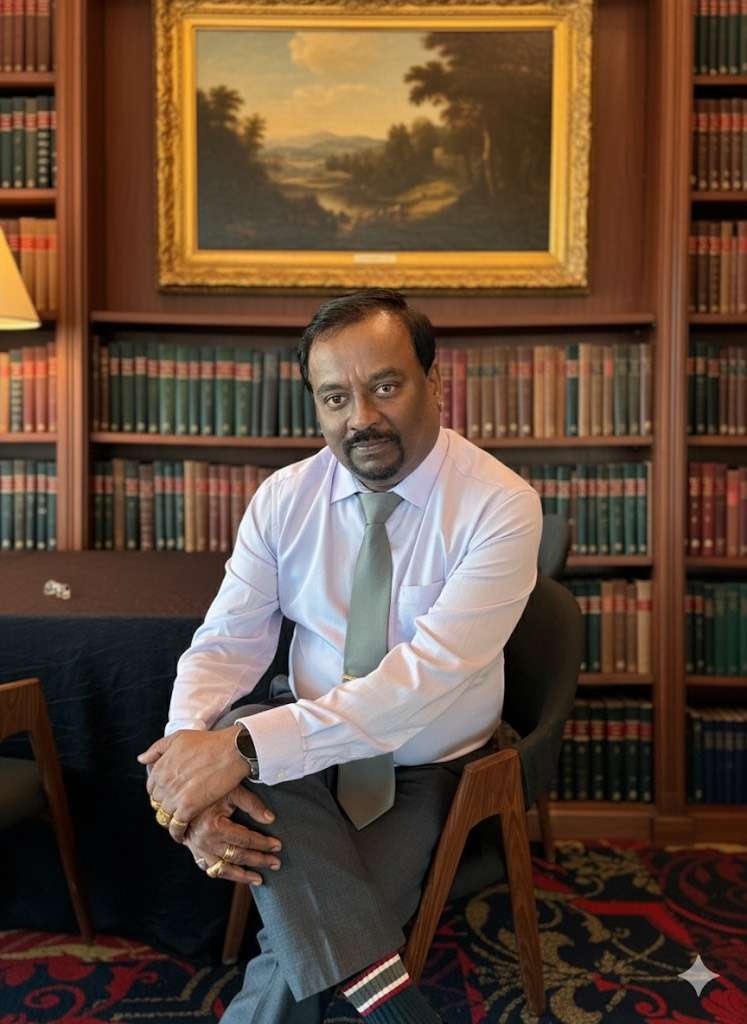
Alan Elangovan
Alan Elangovan is a highly respected Master Trainer and Behavioural Expert with over 30 years of professional experience across the civil service, defence, and corporate sectors. He served 20 years with the Ministry of Home Affairs (MHA) and 7 years with the Singapore Armed Forces (SAF), delivering high-impact training in criminal behaviour analysis, investigation techniques, and security interviewing. He is the Founder and Lead Trainer of LPS Training Services, which was rebranded as LPS Academy in 2025. Through this platform, he has trained more than 125,000 officers from public and private sector organisations, both locally and internationally. Alan is also an accomplished author of five books, a curriculum designer, and an international speaker, widely recognised for translating complex behavioural and investigative concepts into practical, field-ready competencies that enhance professional capability, investigative effectiveness, and organisational performance.
Pannirselvam
Pannirselvam is a highly experienced Operational Trainer with 30 years of distinguished military service and 10 years of professional training experience at LPS Training Services, which is now known as LPS Academy. Throughout his career, he has trained more than 50,000 officers across a wide range of security, operational, and enforcement disciplines. Having conducted operational training assignments across nine countries, he brings extensive field expertise, disciplined instruction, and international operational perspectives to every programme he delivers. His training emphasizes practical application, operational readiness, and real-world scenario learning, ensuring participants gain hands-on competencies and mission-focused skills essential for effective performance in demanding security and enforcement environments.